

 ABOUT US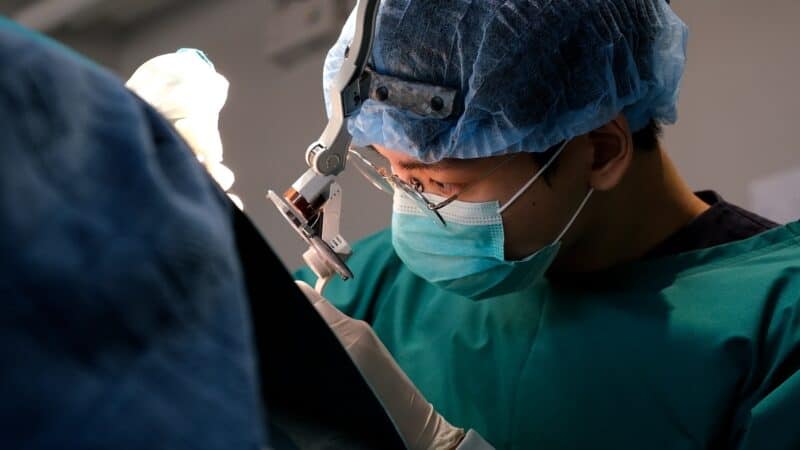
HAIR LOSS SOLUTION
HAIR LOSS SOLUTION
|
|
|
Doctor |
|
|
Profile |
A specialist in DHI (Direct Hair Implantation) hair transplant techniques, graduated from the University of Birmingham. He learned advanced hair transplantation techniques under the guidance of Dr. Tayfun Oguzoglu, a globally renowned hair transplant expert. Trusted by numerous patients, Dr. Jirayu has established a reputation for excellence in the field of hair restoration. |
|
Share |


|

For anyone facing hair loss or balding, the anxiety around getting a hair transplant isn’t just about long-term results. It also includes the post-procedure recovery period that might impact your professional image, work, and daily life. This is especially true for those who need to meet people regularly and want to avoid visible scars, noticeable changes, or an obviously shaved head.
A partial shaven DHI hair transplant was specifically developed for those who want a seamless hair restoration solution that preserves their existing hairstyle while minimizing downtime. By using the precision of a DHI hair transplant to blend grafts seamlessly with existing hair, this method focuses not only on increasing hair density, but also on maintaining hairline continuity and letting you return to daily life quickly. Looking from the outside right after the procedure, no one will even know you just had a partial shaven DHI procedure done. It’s the ideal choice for anyone seeking discrete results without drawing unwanted attention during recovery.
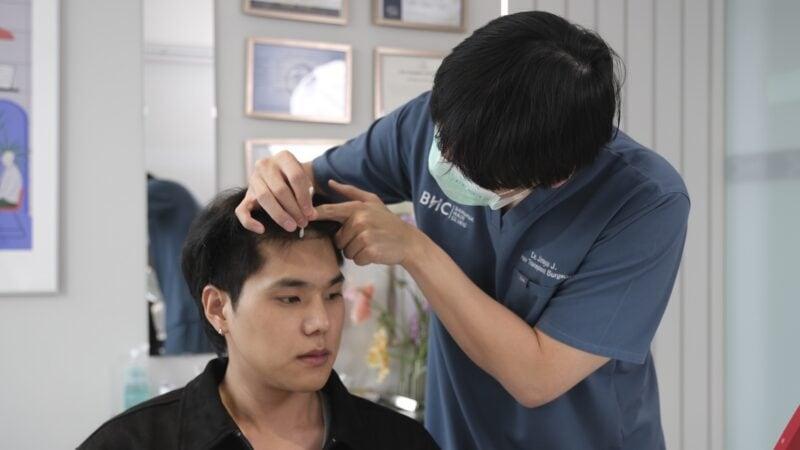
A partial shaven dhi hair transplant is an advanced evolution of standard hair transplantation methods that require shaving the entire head. This technique allows surgeons to harvest hair grafts without shaving the whole scalp by micro-trimming specific spots with specialized tools, such as surgical scissors or precision clippers, which easily remain hidden under surrounding hair layers.
Here is how it works: the surgeon uses specialized instruments to trim small, narrow bands in the donor area at the back of the head to extract hair grafts. These selected grafts are then implanted using DHI micrograft technology, where a specialized implanter pen controls the placement, depth, and direction of each graft. This approach allows surgeons to harvest a higher graft count than fully long-hair techniques without being as noticeable as shaving the entire head.
However, performing a partial shaven DHI procedure while keeping surrounding hair intact requires exceptional surgical precision to minimize risk and avoid damaging adjacent natural hair follicles. Once grafts are extracted, the surgeon uses the DHI micrograft technique to control implant depth, angle, and direction with complete accuracy.
At Bangkok Hair Clinic, our surgeons use advanced tools and methods to ensure your procedure runs smoothly. We deliver dense, natural-looking results that blend seamlessly with your original hair with minimal micro-scarring and a fast recovery time. This makes a DHI partial shaven in Bangkok procedure the premier choice for anyone who wants to minimize downtime and avoid visible signs of treatment.
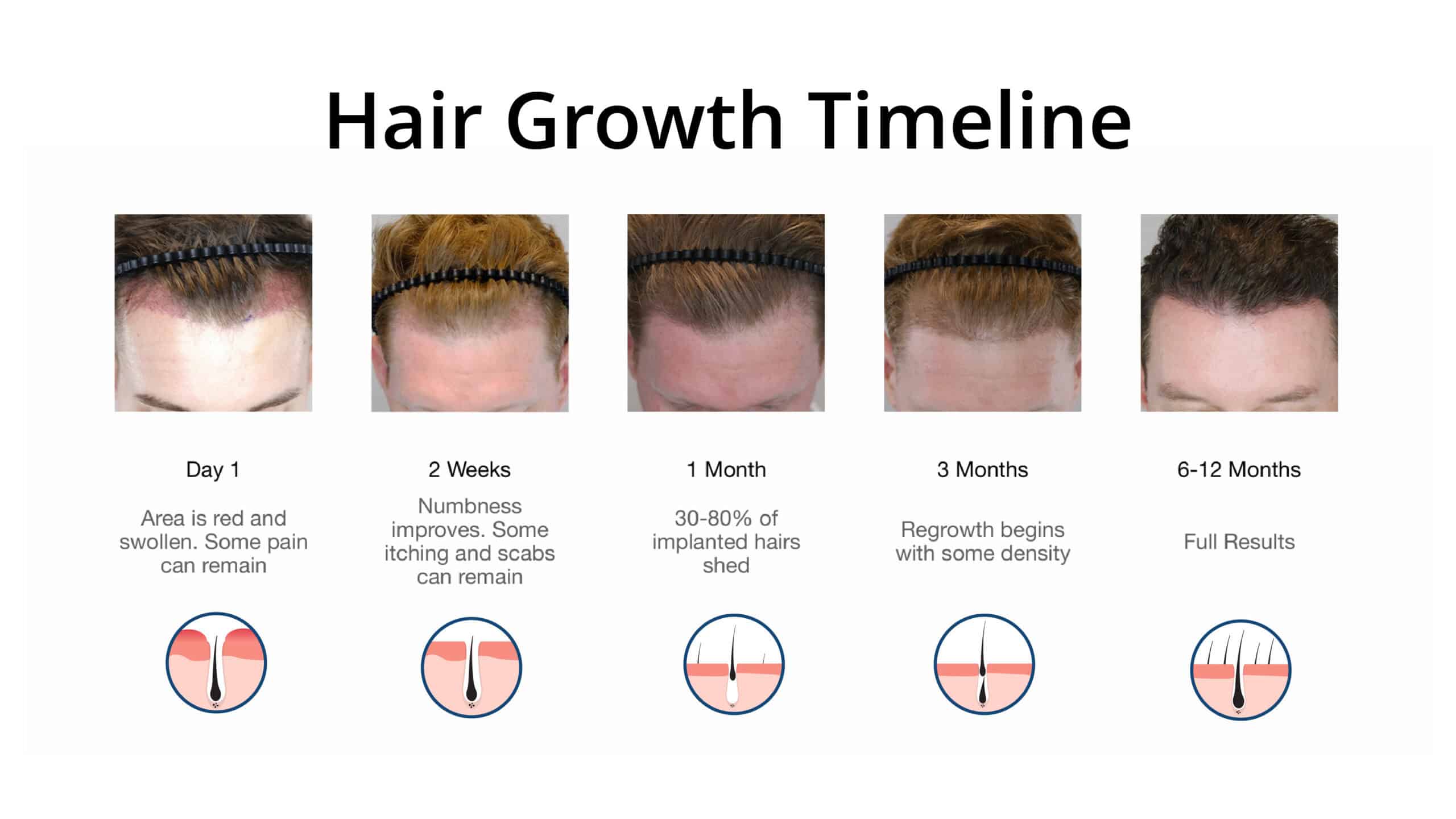
Because a partial shaven DHI hair transplant uses real hair follicle transfers, your new hair grows in stages following your natural hair growth cycle:
While timing varies by individual, the DHI micrograft technique provides stable, long-term outcomes.
Before
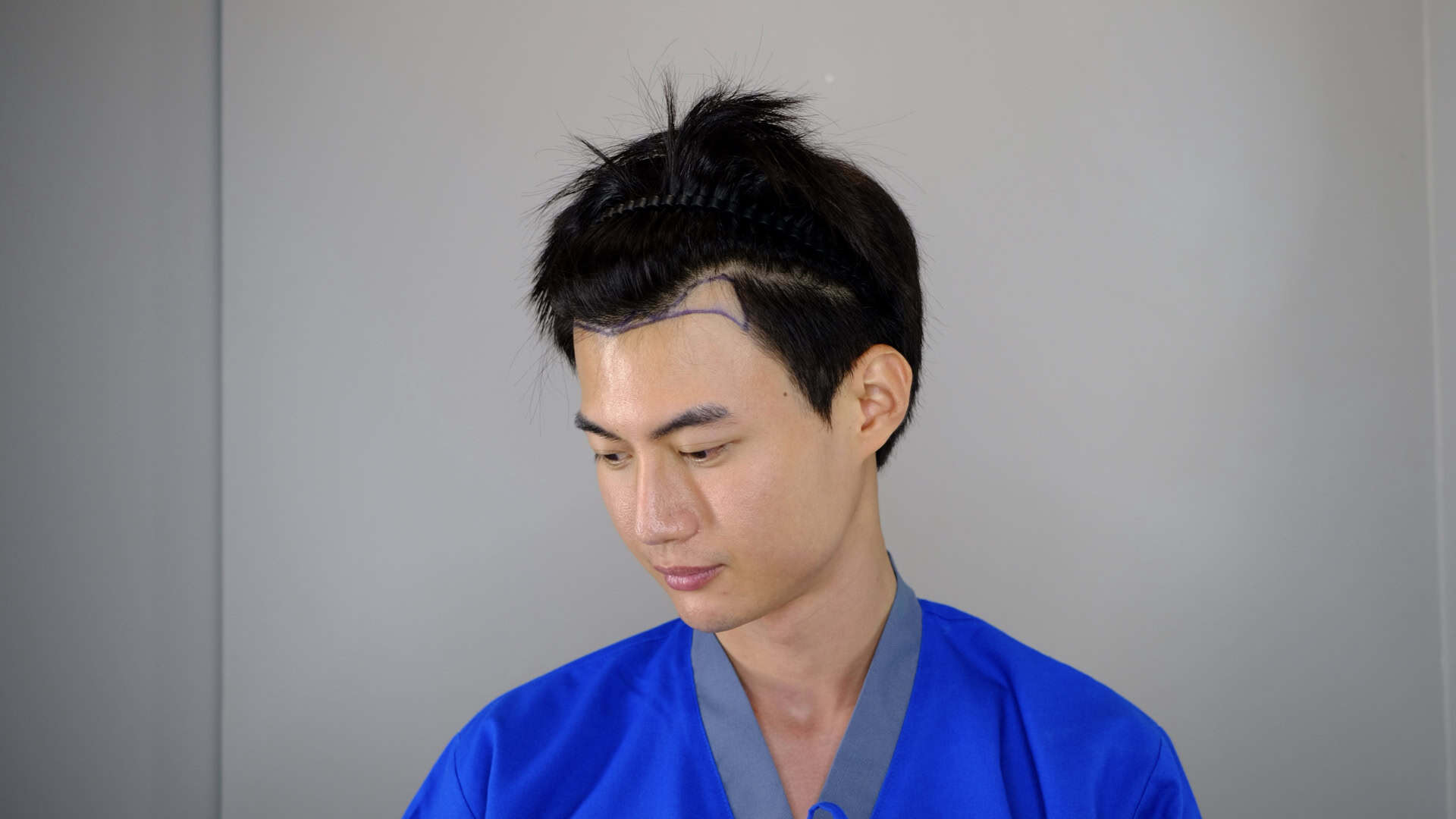
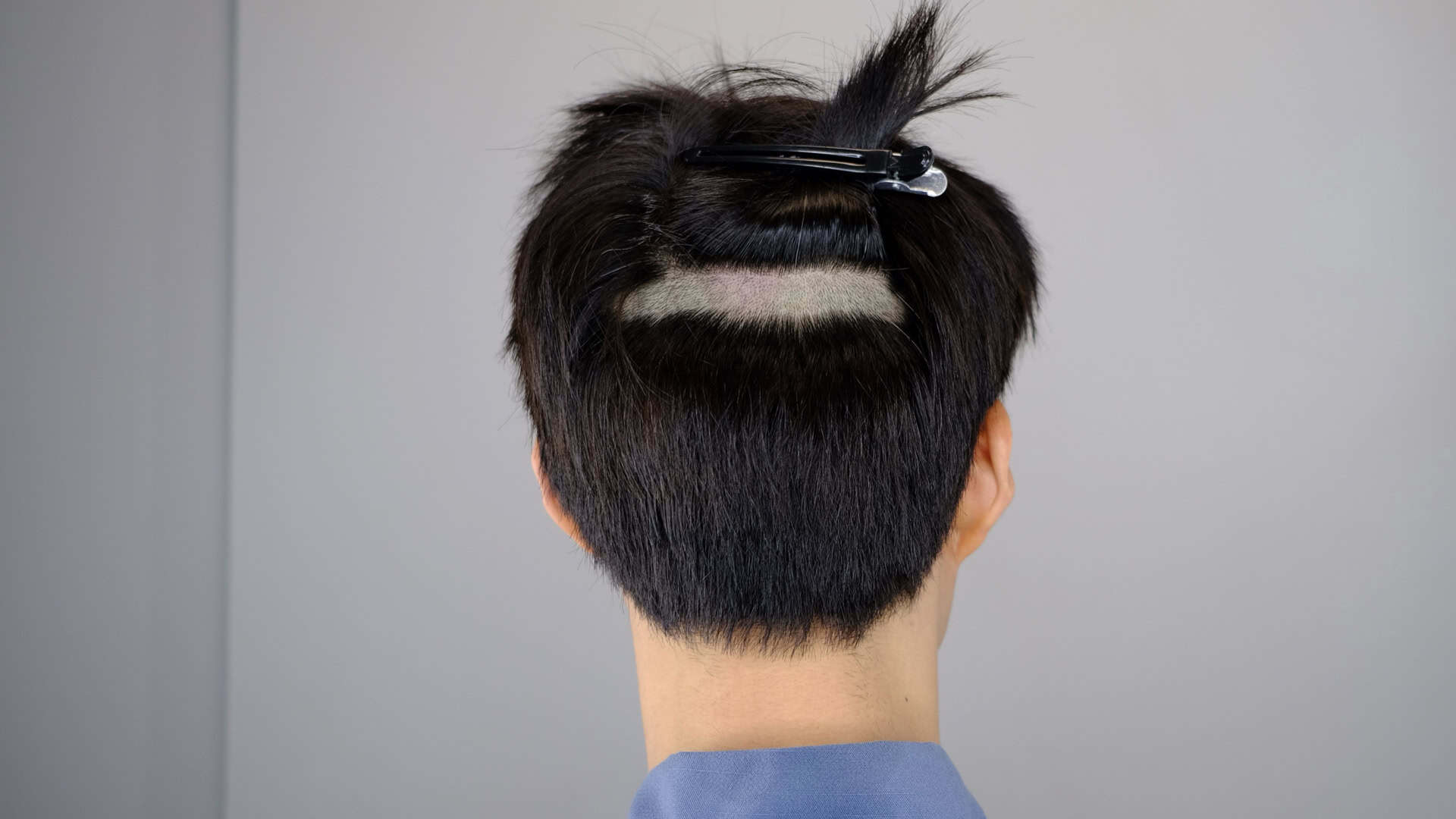
Images showing the specially modified trimmer used for graft harvesting
After
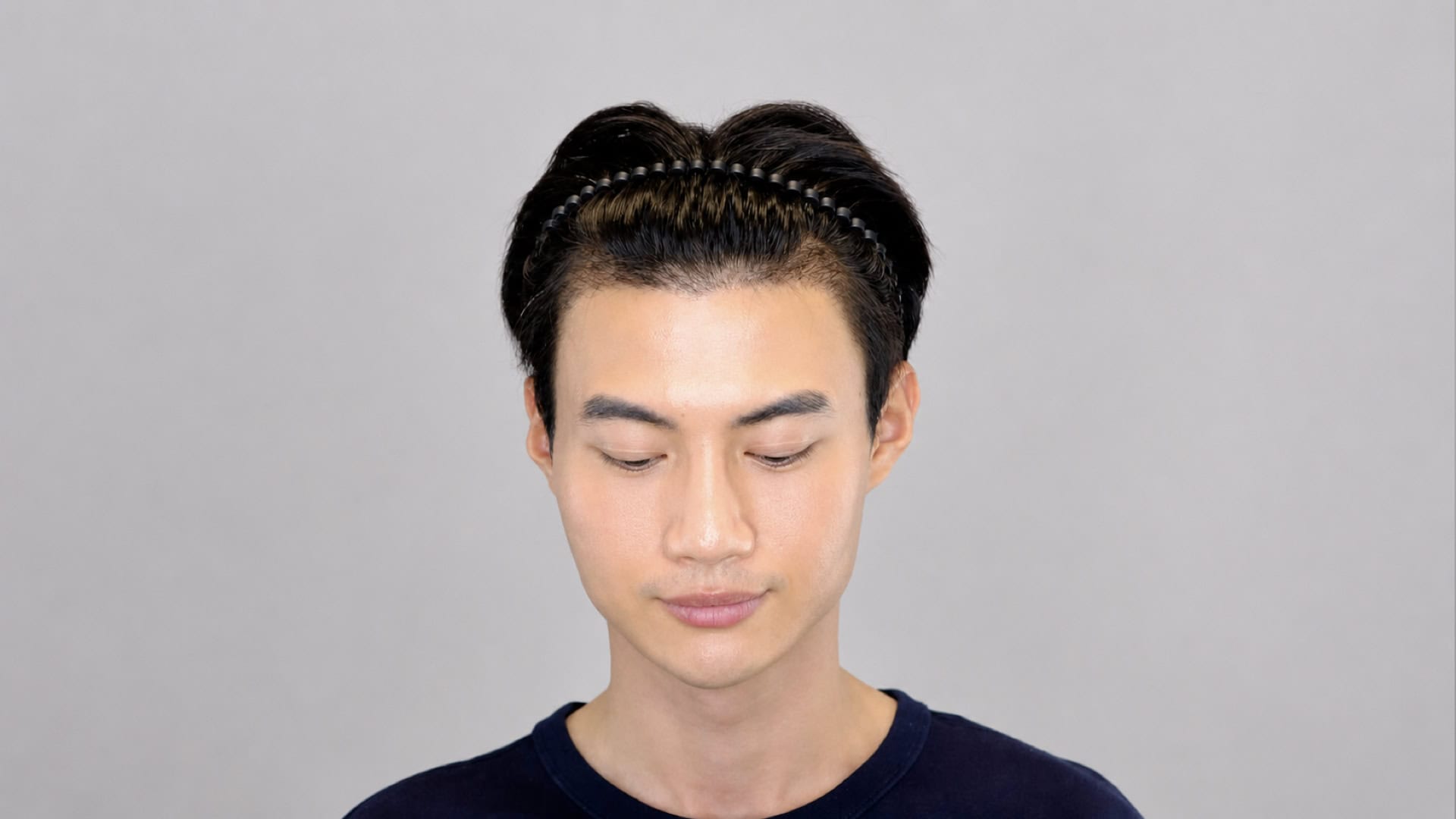
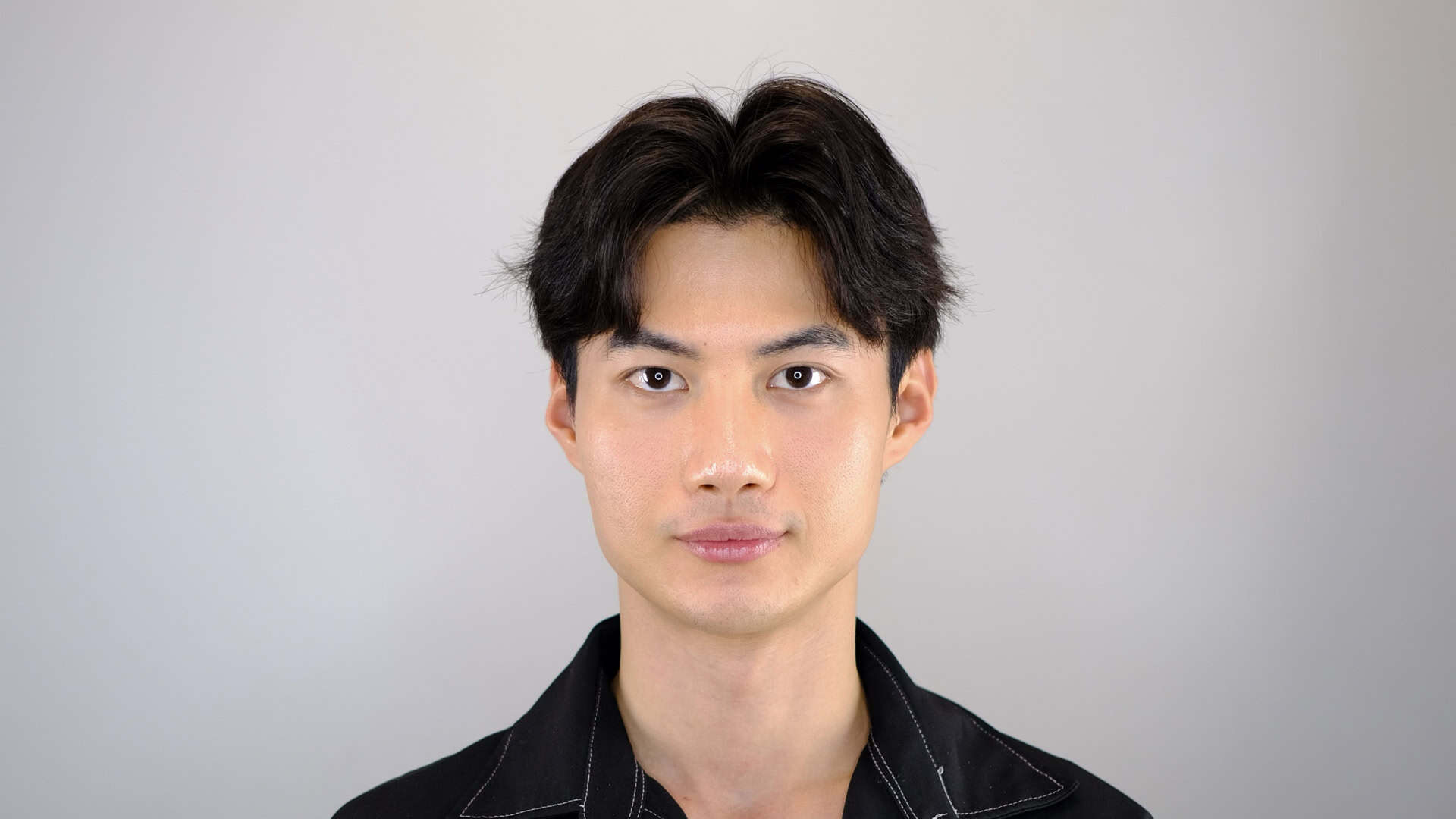
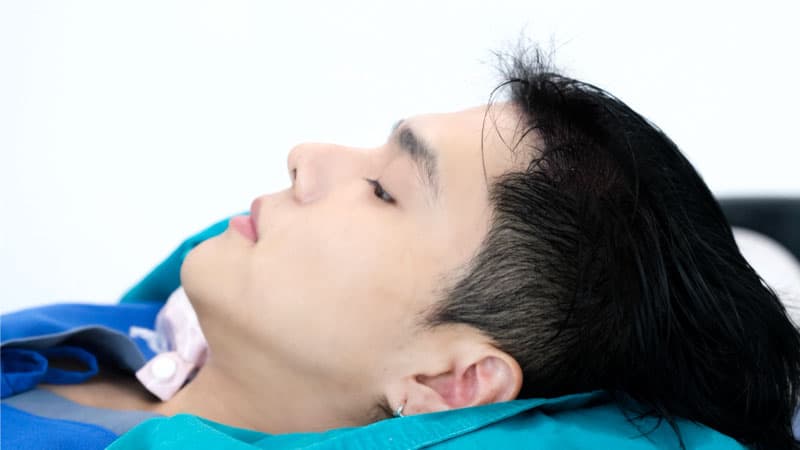
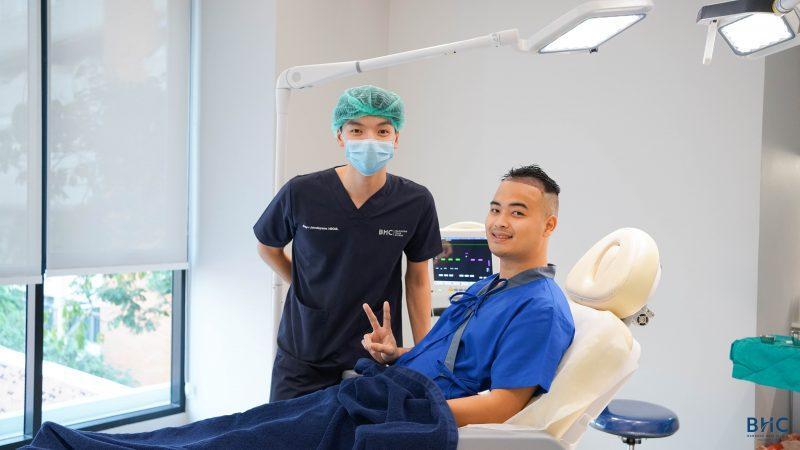
After just 2 weeks of the DHI procedure, the back of the head appears 100% normal
The donor area maintains a completely natural appearance immediately after transplantation.
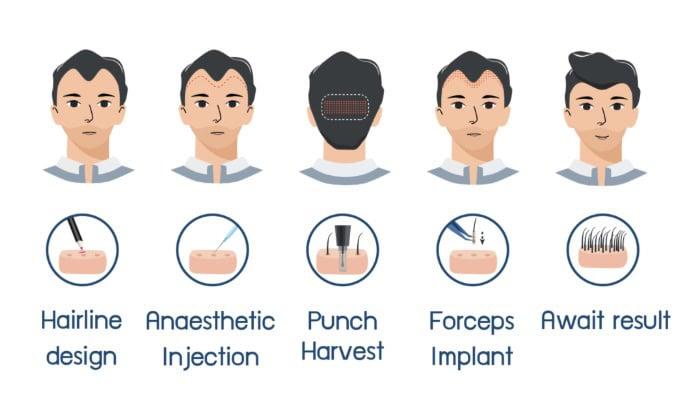
Here is what you can expect during a partial shaven DHI hair in Thailand procedure at Bangkok Hair Clinic:
Your doctor evaluates your hair density and scalp health to confirm if a partial shaven DHI approach is right for you. After calculating the required graft count, your doctor designs a custom hairline that complements your facial structure and age, then plans a discrete micro-trimmed donor site at the back of your head.
Local anesthesia is administered to the donor area. Hair follicles are extracted individually using a small, specialized punch tool. The extracted grafts are carefully sorted and prepared for implantation.
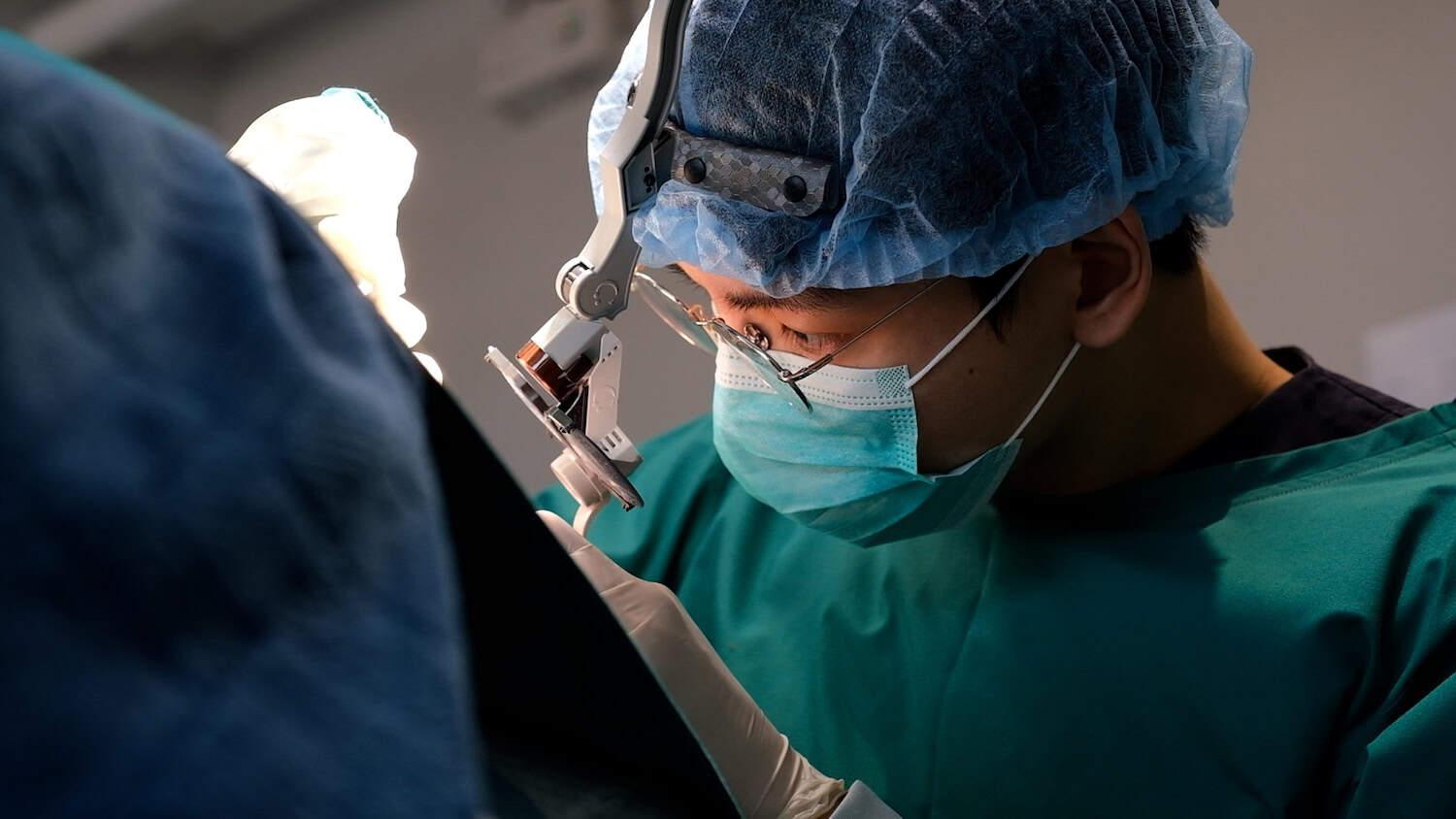
The recipient area is prepared with pre-made incisions and a local anesthesia is applied. The DHI implanter is used to directly implant the grafts into the recipient area. This technique allows for precise control over the angle, direction, and depth of the implantation.
Here is a quick breakdown of what a partial shaven DHI hair transplant involves:
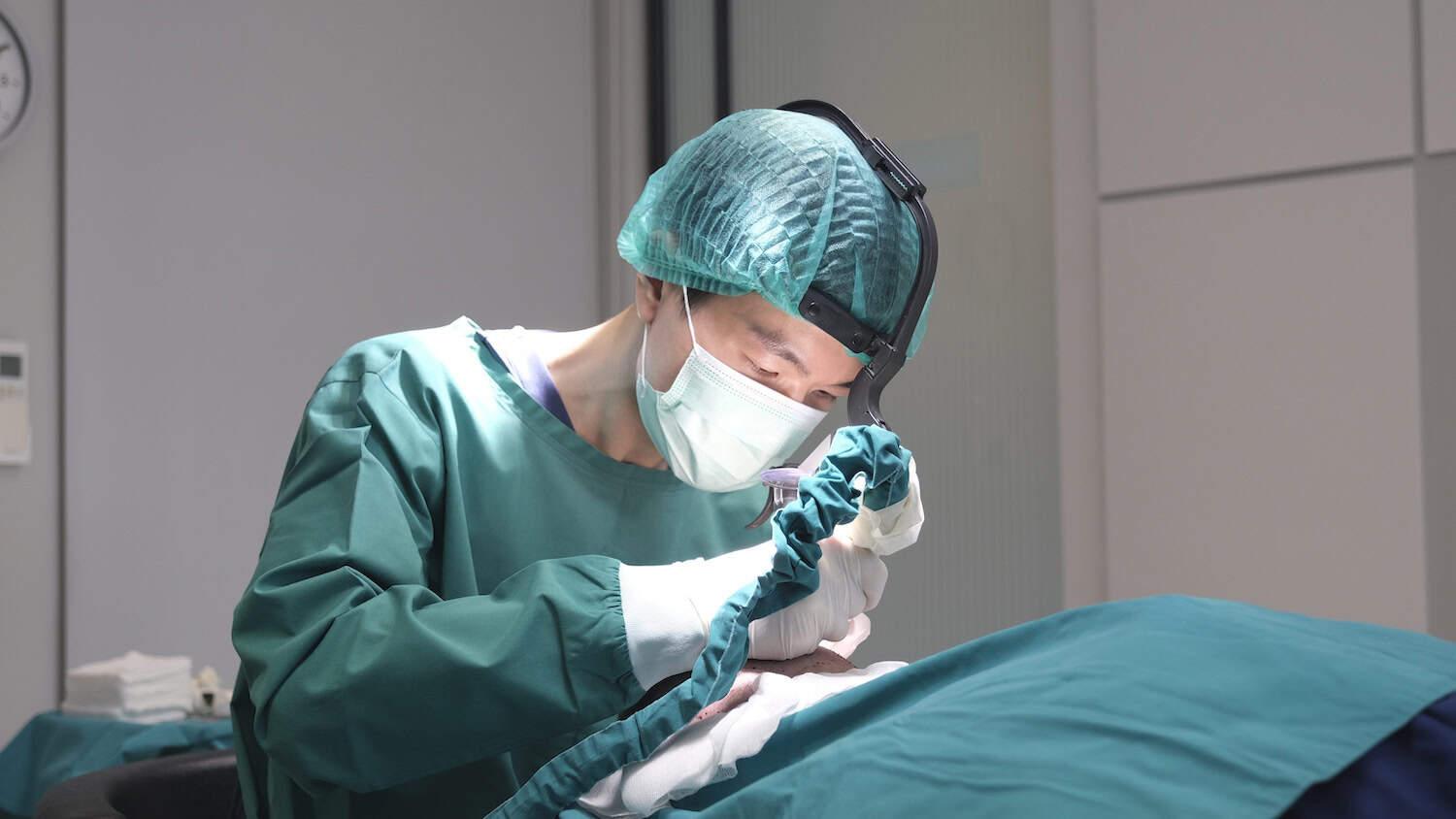
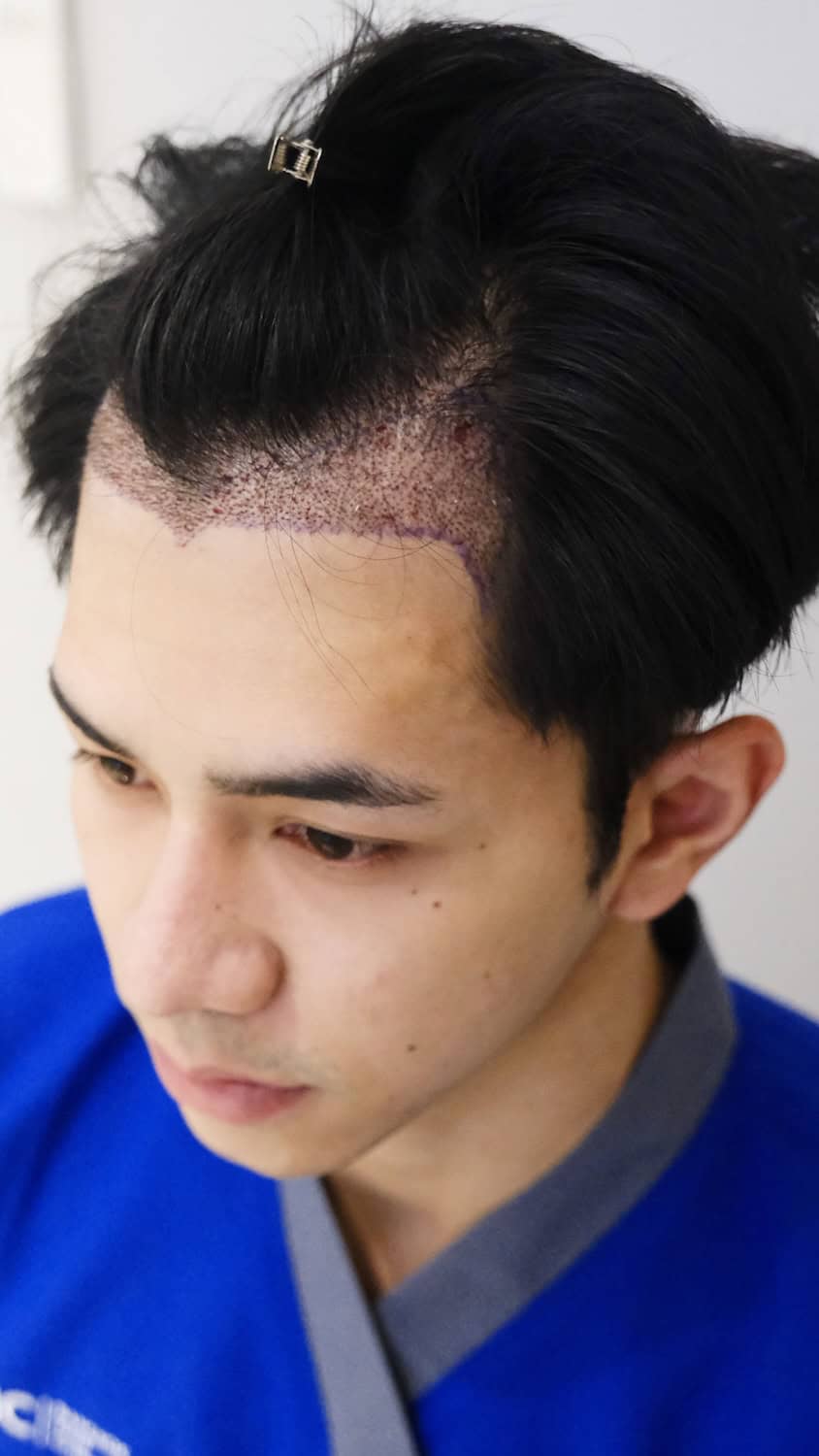
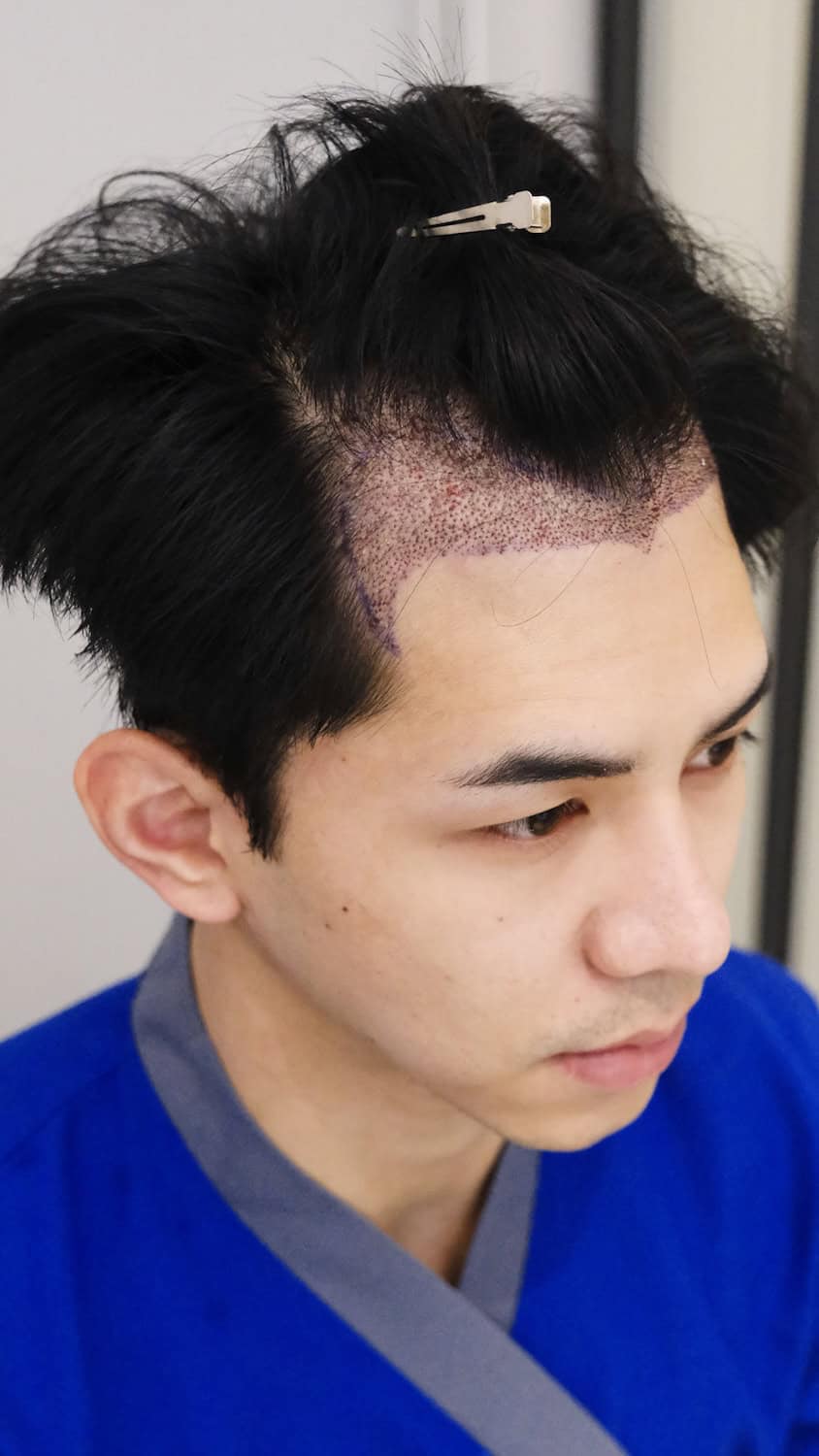
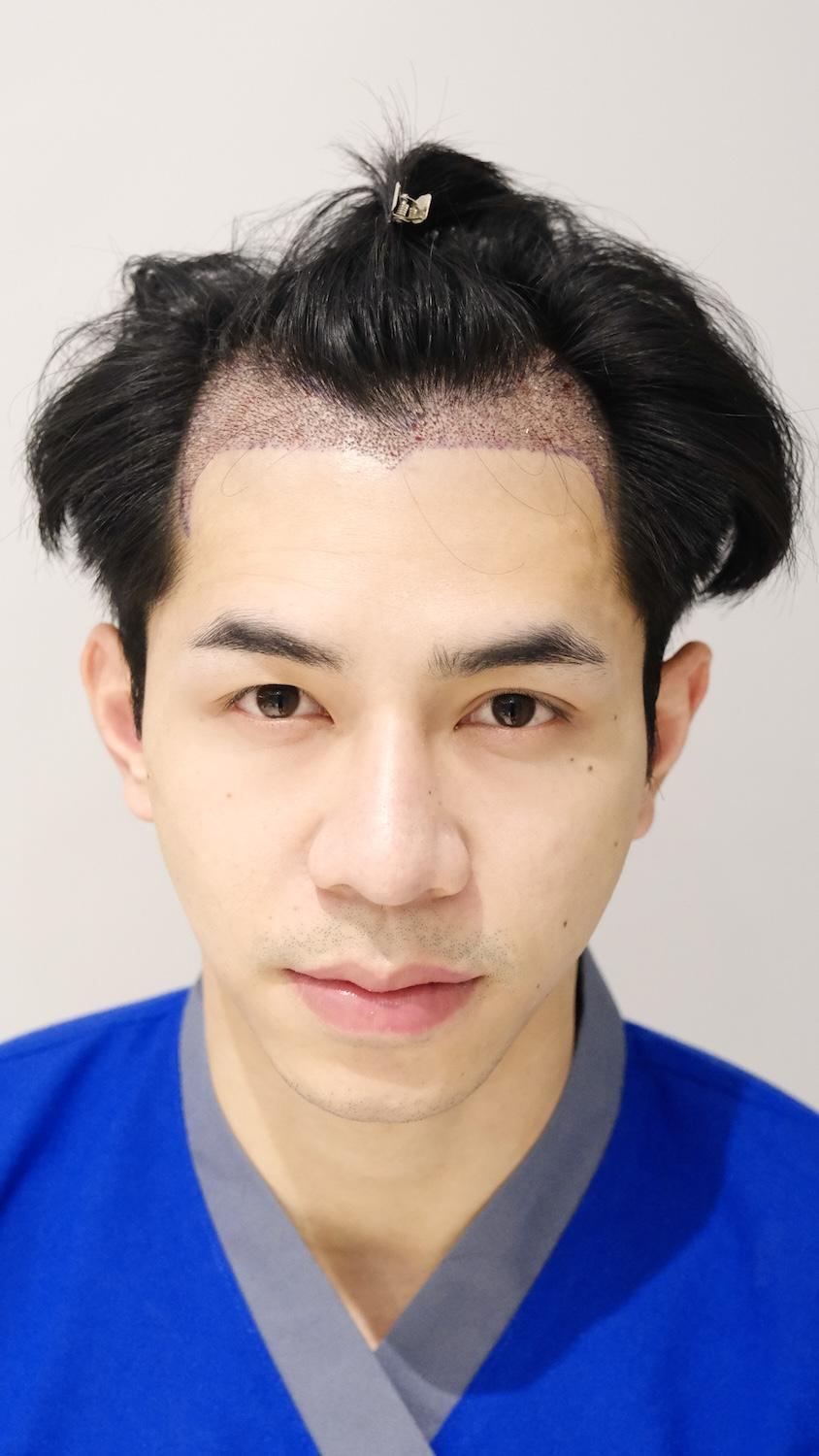
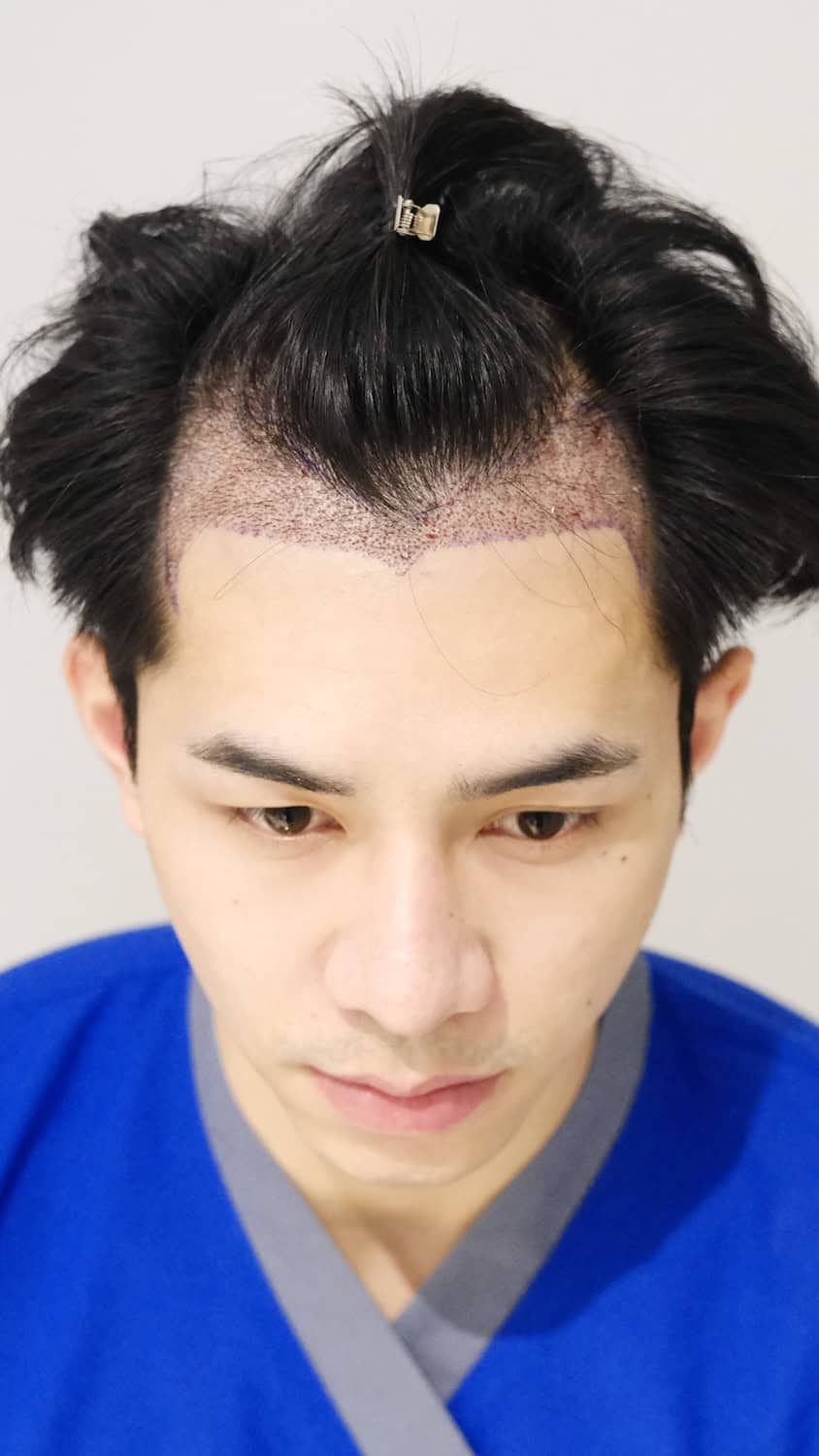
The Partial Shaven DHI Hair Transplant in Thailand is the perfect choice for those who want hair restoration without disrupting their daily life.
A partial shaven DHI hair transplant stands out for its graft size and high precision, helping hair arrange neatly and align naturally with your original hair growth patterns. It is ideal for filling in the front hairline, temples, or specific thinning areas.
If you are still unsure which technique suits your hair condition, our specialists will evaluate and provide recommendations to help you choose a hair restoration approach that matches your specific problems and personal goals.
However, if you are still unsure which technique is best suited for your hair condition, our doctors will evaluate and provide guidance to help you choose a hair transplant approach that aligns with your specific concerns and individual goals.
While a partial shaven DHI hair transplant offers clear benefits in terms of natural aesthetics and image preservation, there are specific limitations to consider before deciding on this procedure:
If you are hesitating whether a partial shaven DHI permanent hair transplant is right for you, we have summarized that a partial shaven DHI permanent hair transplant is suitable for people with the following characteristics:
If you are looking for an unnoticeable way to restore hair with minimal recovery time, a DHI hair transplant using this technique is considered an appropriately matching alternative.
A single partial shaven DHI session typically takes 6 to 8 hours, depending on the condition, number of grafts, and individual case complexity. In some cases, physicians may determine that multiple sessions are necessary, depending on the transplant area size, donor area hair availability, and follicular cell health. The physician will provide a detailed assessment to help patients make informed decisions and prepare for the procedure.
In Thailand, Partial shaven DHI is a safe and well-established hair transplant technique when performed by experienced professionals. Although the procedure does involve shaving small sections of the donor area, these are strategically concealed and do not require full-head shaving. The surgery is performed under local anesthesia, which significantly reduces discomfort during the procedure. Most patients report only mild soreness or tightness afterward, which typically resolves within a few days.
As with all surgical procedures, there are minor risks, such as temporary swelling, numbness, or folliculitis, but serious complications are rare when proper technique and hygiene are observed. Patients can typically return to routine activities shortly after the procedure, and hair washing can usually resume the following day under medical guidance.
The cost of a partial shaven DHI hair transplant, or a partially shaven head technique, must be evaluated individually. This is because each person has different hair concerns, target restoration areas, and varying levels of treatment complexity. A doctor will assess the complete overview before offering appropriate budget guidance.
Normally, a DHI micrograft hair transplant price is calculated based on the number of grafts used, which typically ranges around 1,500–2,000 grafts per session. However, this is only a preliminary estimate. The actual partial shaven DHI cost may vary for each individual depending on several medical factors. Other factors that affect the hair transplant without shaving price for not shaving the entire head include:
Estimated Graft Counts for DHI Restoration:
To receive the most accurate information and determine the exact partial shaven DHI hair transplant price in Thailand for your specific case, we recommend submitting photos of your hair or scheduling an in-person consultation. This allows our surgeons to evaluate your graft requirements and provide a tailored DHI hair transplant plan that fits your budget and goals.
Proper preparation is essential for ensuring a smooth procedure and minimizing the risk of potential complications. To achieve the best possible results, patients should strictly adhere to these guidelines leading up to their scheduled appointment.
Please refer to our full pre-operative guide for complete care instructions.
Proper post-operative care is crucial for the long-term health and growth of your new hair follicles. Adhering to the following guidelines will help minimize irritation and support optimal scalp recovery.
Please refer to the full post-operative guide for complete care instructions.
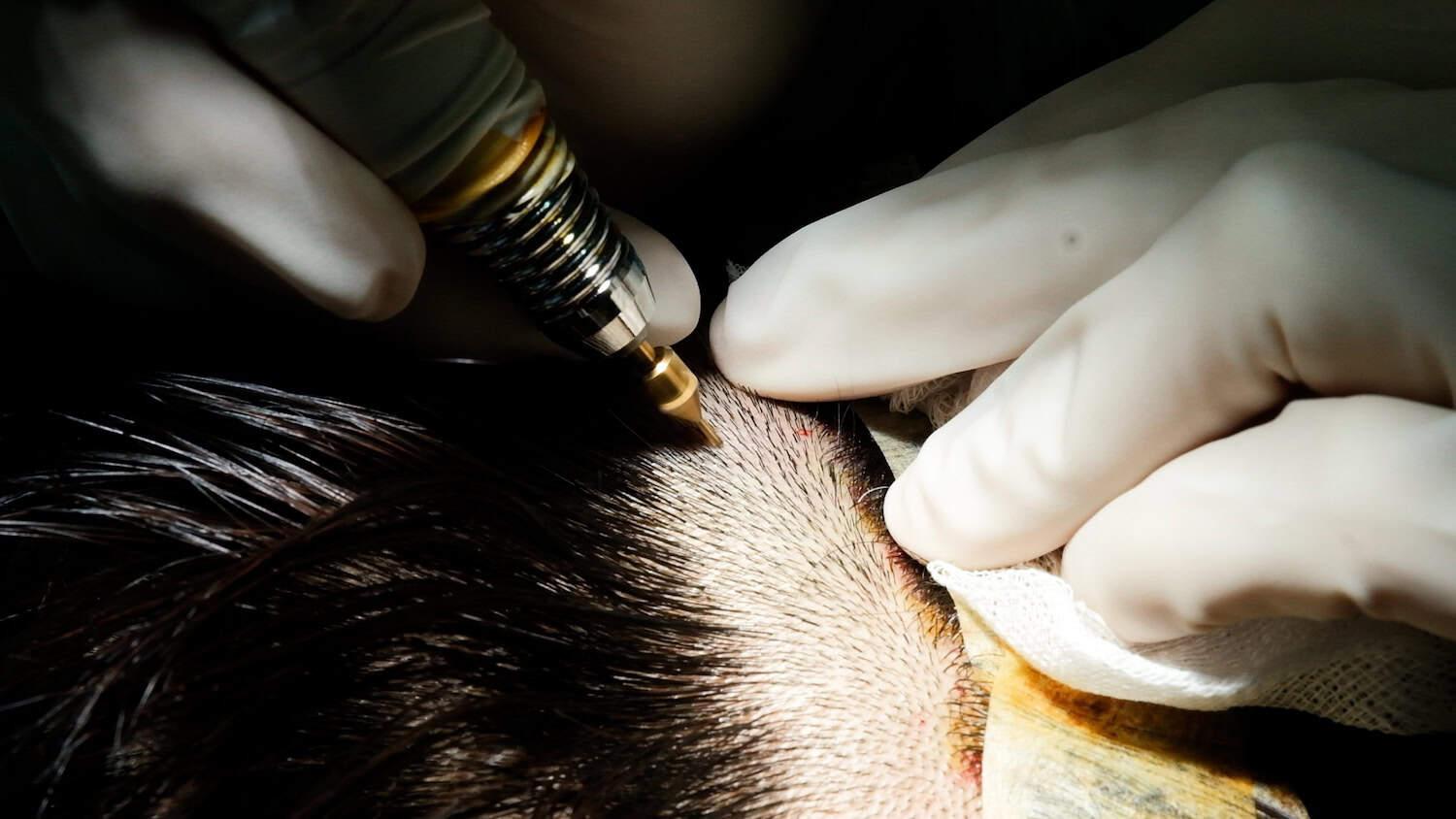
Following a hair transplant, specifically one utilizing the DHI Hair Transplant, the newly implanted follicles enter a delicate adjustment phase. Avoiding certain behaviors during the initial recovery period is vital to prevent graft dislodgement, minimize inflammation, and ensure that the hair follicles anchor securely to the scalp.
During the first 7–14 days, the hair follicles have not yet permanently bonded with the scalp. Any unnecessary contact or pressure can cause the grafts to shift or fall out inadvertently.
Hats or headwear that are too tight can cause friction against the DHI hair transplant site and restrict blood circulation, both of which can hinder the healthy recovery of the hair roots.
Increased body heat, sweat, and elevated blood pressure can lead to scalp irritation, inflammation, or a higher risk of infection during the first two weeks post-procedure.
Pool water, seawater, and steam rooms may harbor bacteria or chemicals that trigger inflammation. These environments should be avoided for at least one month following your partial shaven DHI hair transplant.
Refrain from dyeing, perming, or chemical straightening. These harsh substances can severely irritate the scalp and negatively impact the growth and survival of new hair follicles.
Intense heat from the sun can dry out the scalp, cause irritation, and delay the healing process. It is recommended to avoid direct sunlight for at least 2–4 weeks.
The medications and specialized products recommended by your surgeon are essential for the DHI micrograft restoration process. Making changes or stopping your regimen without your doctor’s advice can affect your long-term results. Following these precautions will minimize the risk of complications and significantly improve the likelihood of strong, consistent, and natural-looking hair growth.
A DHI micrograft hair restoration is a safe and widely recognized medical procedure. However, as with any medical treatment, patients may experience certain short-term side effects. Most of these are normal physiological responses that resolve naturally as the body heals.
In the event of abnormal symptoms such as severe pain, excessive swelling, or unusual discharge, please contact the clinic or your surgeon immediately for an evaluation. Serious complications following a partial shaven DHI hair transplant are extremely rare when the procedure is performed by an experienced specialist and post-operative care instructions are strictly followed.
A partial shaven DHI hair transplant requires meticulous planning, surgical precision, and dedicated post-operative care. At Bangkok Hair Clinic, we prioritize every stage of the journey from your initial assessment to long-term follow-up to ensure your hair restoration achieves optimal and lasting results.
For those seeking permanent hair restoration in Thailand, our partial shaven DHI hair transplant is a cost-effective solution because of its accessible price point. With internationally board-certified doctors (ABHRS & ISHRS) oversight, Bangkok Hair Clinic offers professional service and treatment planning using state-of-the-art technology.
For additional information on how hair transplant without shaving the entire head works and its price, schedule a consultation with our physicians through these channels:
A: They are virtually unnoticeable. This technique involves micro-trimming only small, selective spots in the back donor area to harvest hair roots. Once the procedure is complete, your surrounding original hair naturally falls down to completely cover and conceal the trimmed spots, making them very difficult to observe. These micro-trimmed areas will gradually grow back and blend seamlessly with the rest of your hair within a few days.
A: During the preparation stage, the doctor will trim the hair only at the specific donor extraction spots down to about 1–2 millimeters. Our clinic recommends that patients keep their existing hair at the back at least 4–5 centimeters long or more, ensuring it is long enough to drape over and conceal the donor area seamlessly.
A: While some scarring is inevitable after permanent hair transplantation, DHI method scars are minimal, measuring only 0.7 to 1.0 millimeters and virtually invisible to the naked eye. Other transplant methods may result in larger scars, but current technology allows for effective scar concealment, enabling a confident return to daily activities after follicular unit transplantation.
A: The DHI technique allows patients to experience minimal discomfort during the initial local anesthetic injection. During the procedure, the area is anesthetized to lessen as much of the discomfort as possible.
A: The DHI hair transplant process requires systematic planning and precision at every step to achieve satisfactory results and minimize side effects. The main steps include:
A: In a partial shaven DHI hair transplant, the surgeon meticulously plans both the extraction and implantation sites to avoid any damage to the surrounding native hair. While you may experience some minor scalp sensitivity or discomfort during the initial healing phase, these symptoms are temporary and will resolve as your scalp recovers.
A: You can begin light, gentle styling once the micro-wounds have sufficiently healed, which typically occurs around 2–3 weeks post-transplant. However, before using heavy styling products or heat tools (such as blow dryers or straighteners), we recommend waiting for a follow-up assessment to ensure your scalp is fully ready.
A: Yes. If you experience thinning in other areas or wish to increase density in the future, a follow-up DHI micrograft procedure is possible. This depends on the health and availability of hair in your donor area, as well as your current scalp condition, which the surgeon will evaluate.
A: The partial shaven DHI technique is best suited for individuals with enough hair length to naturally conceal the micro-trimmed donor sites. If your hair is very short, the extraction points may be more visible during the initial recovery. We often recommend that patients grow their hair to a certain length prior to the procedure to ensure the most discreet results.
| DHI Shaven | DHI Partial-Shave | Long Hair DHI | |
|---|---|---|---|
| Shaving Required | Full shaving of donor area | Partial shave of donor area | No shaving of donor area needed |
| Procedure Time | Generally shorter (due to shaving) | Moderate | Longest |
| Healing Time | 7–10 days for visible recovery | Same as DHI Shaven | Faster healing with minimal trauma |
| Implantation Technique | Implanter after pre-made incisions | ||
| Scarring | Minimal dot scarring, usually hidden | Minimal scarring, better hidden | Minimal scarring, not visible |
| Ideal for | Patients comfortable with shaving | Patients wanting discreet procedure | Patients looking for instantly visible results |
| Cost | Moderate | Moderate | Higher (due to technique) |
| Maximum number of grafts | >3000 grafts | 1500-2000 grafts | <1500 grafts |
| Natural Look | Yes | Yes | Yes |
| Post-op Care | Standard post-op care | Standard post-op care | Minimal, gentle touching |
| Recovery Time | 1–2 weeks | ||