





 ABOUT US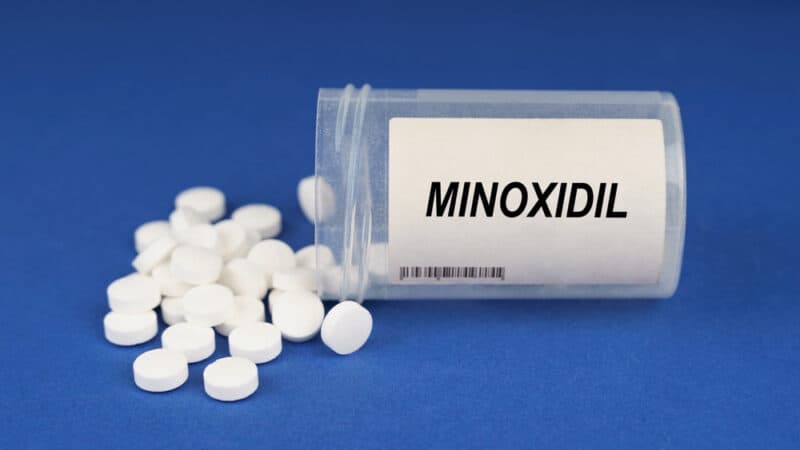
Topical vs Oral: Minoxidil Before and After
Compare treatments to see what is minoxidil capable of for your hair loss. Learn to choose the right topical or oral form for naturally thicker hair.
Compare treatments to see what is minoxidil capable of for your hair loss. Learn to choose the right topical or oral form for naturally thicker hair.


|
|
|
Author |
|
|
Profile |
A specialist in DHI (Direct Hair Implantation) hair transplant techniques, graduated from the University of Birmingham. He learned advanced hair transplantation techniques under the guidance of Dr. Tayfun Oguzoglu, a globally renowned hair transplant expert. Trusted by numerous patients, Dr. Jirayu has established a reputation for excellence in the field of hair restoration. |
|
Date |
April 24, 2026 |
|
Share |


|
Key takeaway
Understanding exactly what is minoxidil and the core differences between its topical and oral forms is the first step toward effective hair restoration. Whether you are considering minoxidil for men to treat advanced male pattern baldness or exploring minoxidil for women to address general thinning, selecting the right format depends on your specific hair loss severity, lifestyle convenience, and tolerance for potential minoxidil side effects. With consistent daily use under proper medical supervision, both treatment methods can successfully stimulate healthy hair follicles and deliver remarkable minoxidil before and after results, helping you safely regain a naturally dense and confident look.
Minoxidil is one of the most widely popular hair loss treatments available today, offered in both topical and oral formulations. Both types have distinct pros and cons, leaving many wondering which option is the right fit for their specific needs.
In this article, we will compare the differences between the two forms and guide you on how to choose properly. Many people ask what is minoxidil and how it functions; we are here to clear up those doubts so you can treat your hair loss effectively and regain naturally thick hair once again.
To answer what is minoxidil, it is a medication in the vasodilator class that possesses the unique ability to expand blood vessels, thereby improving blood circulation. When applied to the scalp, it allows hair follicles to receive essential nutrients and oxygen. This is a crucial factor in stimulating the growth of new hair and preventing the shedding of existing hair.
Originally, Minoxidil was utilized to treat high blood pressure. However, when researchers discovered its remarkable hair growth properties, it was formulated specifically as a hair loss treatment. Today, whether you are exploring minoxidil for men or looking into minoxidil for women, there are both topical scalp applications and oral tablets available, allowing users to select the treatment method that best suits their lifestyle.
Topical Minoxidil is available in liquid, spray, and foam formats. It is applied directly to the specific areas where hair growth is desired. Because of its localized application, some people even use it to stimulate eyebrow and beard growth.
Pros:
Cons:
Oral Minoxidil comes in pill form, which dissolves easily and is absorbed systematically throughout the body.
Pros:
Cons:
Deciding between topical and oral minoxidil depends on several individual factors:
Start by assessing the condition of your hair. If you are experiencing mild-to-moderate hair loss, the topical formulation might be the most appropriate choice, as it effectively stimulates localized growth. Conversely, if your hair loss is severe and widespread, opting for the oral pill might provide faster and more comprehensive coverage.
Beyond efficacy, convenience is vital for long-term adherence. Topical solutions require daily application, which might be a hurdle for those with busy schedules or those who dislike applying residue to their scalp. In such cases, the oral pill may be the better solution since one pill a day is sufficient.
Patients with underlying health issues should consult a doctor thoroughly before taking the oral medication, as it can affect the cardiovascular system. For these individuals, the topical version remains the safer alternative.
If you have been using the topical solution for a while without satisfactory results, switching to the oral form might be an interesting alternative. To ensure the best minoxidil before and after outcomes, any change in your medical regimen should always be supervised by a medical specialist to guarantee safety and maximum efficacy.
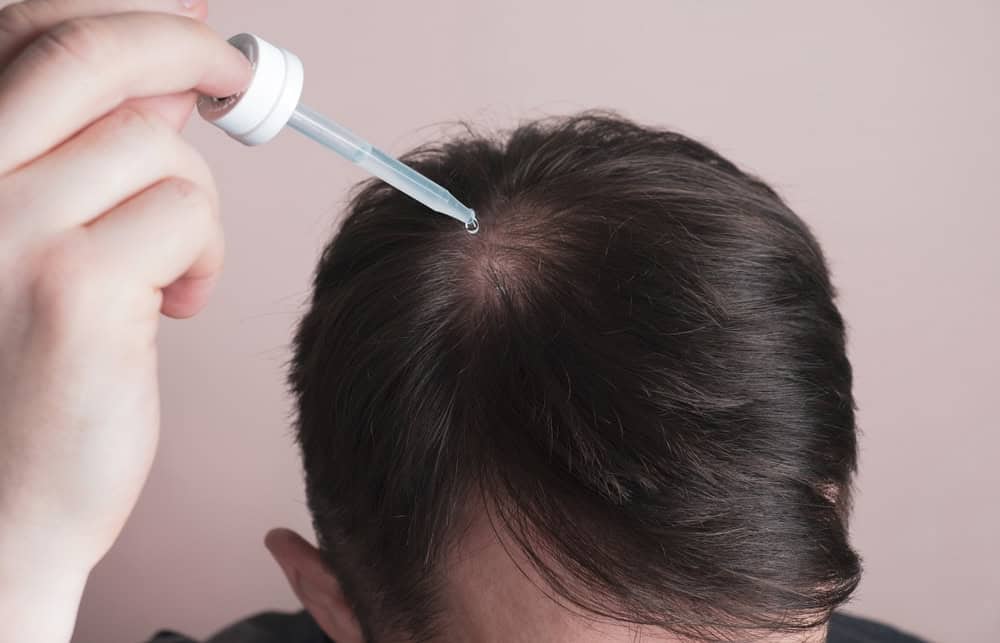
Instead of relying solely on Minoxidil, you can enhance your treatment’s effectiveness by combining it with other therapies to boost the chances of robust hair restoration.
Doctors might recommend combining Minoxidil with other medications to stimulate growth further. Different drugs work synergistically; for instance, addressing hormonal factors in minoxidil for men, leading to significantly higher efficacy. We also frequently discuss minoxidil for women regimens combined with nutritional supplements for a holistic approach.
PRP is an innovative treatment that injects the patient’s own concentrated platelets into the scalp, stimulating the repair and growth of hair roots. When used alongside Minoxidil, it accelerates follicle rehabilitation, yielding much faster visual results.
For those with severe hair loss, a permanent hair transplant is often the most definitive solution. Post-surgery, continuous use of Minoxidil helps maintain the surgical results and prevents the loss of native hair, ensuring a long-lasting, dense hairline.
Choosing between topical and oral minoxidil requires assessing multiple factors carefully. Therefore, consulting with a medical expert is crucial to receiving a personalized, highly effective treatment plan.
For those interested in combining medication with a hair transplant—perhaps wondering about the pain level, timeline, or longevity of results you can consult our specialized doctors at Bangkok Hair Clinic. We are a premium, comprehensive hair restoration clinic. From advanced surgical procedures to medical treatments for thinning hair, baldness, and various scalp conditions. Whether you are seeking medical therapy or the best long hair transplant Bangkok can provide, we use state-of-the-art technology to help you build a new hairline and restore your natural hair density safely.
For more information or to book a consultation, contact us via the channels below:
References
What to know about minoxidil. Retrieved October 7, 2026. From https://www.medicalnewstoday.com/articles/minoxidil.
Q: When considering minoxidil for men topical vs oral which is more effective ?
A: When evaluating minoxidil for men topical vs oral which is more effective, it largely depends on the severity of the hair loss and patient compliance. Oral minoxidil generally offers more robust systemic absorption, which can be highly effective for severe androgenetic alopecia (male pattern baldness), whereas the topical version is highly effective for localized, early-stage thinning with fewer systemic risks.
Q: Regarding minoxidil for women, does it actually work for female hair loss ?
A: The answer is a definitive yes. It is one of the very few FDA-approved treatments for female pattern hair loss, effectively stimulating dormant follicles and increasing overall hair density when used consistently.
Q: Are there any severe minoxidil side effects I should be aware of ?
A: While generally well-tolerated, minoxidil side effects can include localized scalp irritation, dryness, or flaking for the topical version. The oral formulation carries a risk of systemic effects like hypertrichosis (excess body hair), rapid heart rate, or fluid retention. Always consult a physician before starting treatment.
Q: How long does it take to see good minoxidil before and after results ?
A: Patience is an essential part of hair restoration. Most users will begin to notice significant minoxidil before and after improvements after 3 to 6 months of continuous, daily use. It is important to note that stopping the medication will cause the newly grown hair to shed.


