





 ABOUT US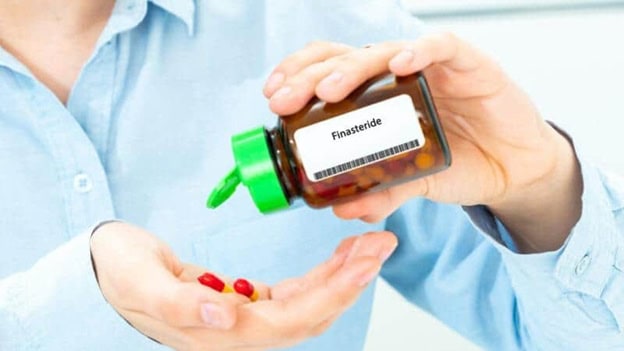
Finasteride for Hair Loss: What to Know About Side Effects
Learn everything about finasteride for hair loss, including how it works, how long finasteride takes to work for hair loss, and what to expect from it.
Learn everything about finasteride for hair loss, including how it works, how long finasteride takes to work for hair loss, and what to expect from it.

|
|
|
Author |
|
|
Profile |
A specialist in DHI (Direct Hair Implantation) hair transplant techniques, graduated from the University of Birmingham. He learned advanced hair transplantation techniques under the guidance of Dr. Tayfun Oguzoglu, a globally renowned hair transplant expert. Trusted by numerous patients, Dr. Jirayu has established a reputation for excellence in the field of hair restoration. |
|
Date |
April 24, 2026 |
|
Share |


|
Key takeaway
Finasteride for hair loss is a widely used option for treating male pattern baldness by reducing DHT levels, the key factor behind hair thinning. Most users begin to see improvement within 3 to 6 months. However, consistency is essential, and results may reverse if the medication is stopped. While effective, users should understand finasteride side effects. Since responses vary by individual, consulting a medical professional helps ensure the treatment approach is appropriate and aligned with long-term hair goals.
For anyone experiencing thinning hair or hair loss, finasteride for hair loss is a name you have likely come across. This medication is widely used as a treatment option for male pattern baldness. However, knowing about it does not mean you should start taking it on your own. Without proper guidance, it may lead to unwanted effects and may not deliver the results you expect.
To make informed decisions, it is important to understand how finasteride works, what results to expect, and what potential risks are involved, including finasteride side effects and long-term considerations such as finasteride sexual side effects reversible or permanent.
Finasteride is an FDA-approved medication used to treat male pattern baldness. It works by inhibiting the enzyme 5-alpha reductase, which converts testosterone into dihydrotestosterone or DHT. DHT is the hormone primarily responsible for shrinking hair follicles, leading to progressive hair thinning.
Originally developed in the late 1980s by Merck & Co., finasteride was first used to treat benign prostatic hyperplasia. During clinical trials, researchers observed improved hair growth in patients, which led to its development as a treatment for hair loss.
Today, finasteride for hair loss is one of the most commonly prescribed medications for men experiencing androgenetic alopecia.
DHT plays a key role in male pattern baldness. It binds to receptors in hair follicles, causing them to shrink over time. As follicles become smaller, hair growth weakens, eventually leading to thinner strands and, in some cases, complete stop of hair production.
Finasteride works by blocking type II 5-alpha reductase, significantly reducing DHT levels in the scalp. Studies show that it can lower DHT by up to 70 percent, helping slow or stop hair loss progression in many men.
This mechanism explains why finasteride before and after comparisons often show reduced shedding and improved hair density over time.
Finasteride is typically prescribed as a 1 mg oral tablet taken once daily. Consistency is key for achieving optimal results.
In most cases:
If the medication is discontinued, the benefits gradually reverse within approximately 12 months.
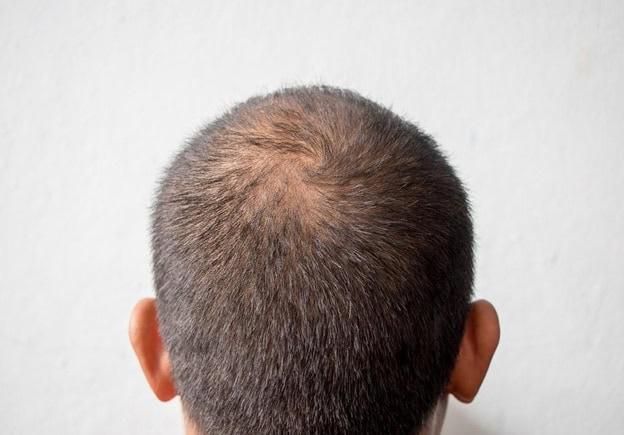
Finasteride is typically recommended for men experiencing:
It is most effective when started early, before significant follicle miniaturization occurs.
One of the earliest benefits is a noticeable decrease in hair loss, often within the first few months.
Lower DHT levels allow hair follicles to function more normally, resulting in thicker, stronger strands.
With continuous use, previously inactive follicles may begin producing hair again. This is often reflected in finasteride before and after results over time.
Finasteride may also help reduce the risk of prostate enlargement by lowering DHT levels.
While effective, it is important to understand finasteride side effects before starting treatment.
Because finasteride affects hormone levels, some users may experience:
A common concern is whether finasteride sexual side effects are reversible or permanent. In many cases, symptoms improve after discontinuation, but some individuals report persistent effects.
Some users may experience anxiety, mood swings, or depressive symptoms.
Rare cases of rash, itching, or inflammation may occur.
In some cases, men may develop breast tissue enlargement or tenderness.
*Important: If severe symptoms occur, discontinue use and consult a physician immediately.
Finasteride may not be suitable for everyone. Consider stopping and consulting a doctor if:
Persistent sexual dysfunction, severe mood changes, or breast enlargement should be evaluated promptly.
If there is no improvement after one year, your body may not be responding to the treatment.
Some individuals choose to discontinue due to concerns about fertility.
A physician may suggest switching to another approach if it better suits your condition.
However, stopping finasteride should always be done under medical supervision.
For those who cannot tolerate finasteride side effects or prefer other options, several alternatives are available:
While finasteride for hair loss remains one of the most widely used treatments for male pattern baldness, it is not a one-size-fits-all solution. Understanding how long finasteride takes to work for hair loss, evaluating finasteride before and after 1 year results for male pattern baldness, and being aware of finasteride side effects are essential steps before starting treatment.
If you are considering treatment, a personalized consultation can help determine the most suitable approach based on your condition and goals. For those exploring more advanced options, including hair transplant in Thailand, it is important to receive proper evaluation and guidance to ensure the approach aligns with your hair loss pattern and expectations.
At Bangkok Hair Clinic, treatment plans are carefully tailored to each individual, focusing on long-term hair health and natural-looking outcomes.
For more information or to book a consultation, contact us via the channels below:
References
Q: Can finasteride be taken together with other hair loss treatments?
A: Yes, finasteride for hair loss is often used alongside other treatments such as topical solutions or supportive therapies. Combining treatments may help address hair loss from different angles, but it should always be done under medical guidance to ensure compatibility and avoid unwanted interactions.
Will finasteride work for receding hairline or only the crown area?
A: Finasteride can help slow hair loss in both the hairline and crown, but results may vary depending on the stage of hair loss. In some cases, finasteride before and after results show better improvement in the crown area compared to the frontal hairline.
What happens if I miss a dose of finasteride?
A: Missing a single dose is unlikely to affect your overall progress. However, consistent use is important for maintaining results. Skipping doses frequently may reduce effectiveness over time.
Can younger men in their 20s use finasteride?
A: Finasteride is commonly prescribed for adult men experiencing early signs of hair thinning. Starting treatment earlier may help preserve existing hair, which is why many users in their 20s consider finasteride for hair loss as a preventive option.
Does finasteride affect body hair or beard growth?
A: Finasteride mainly targets DHT activity in the scalp. While it may have a minor effect on body hair or beard growth in some individuals, the impact is generally limited.


