





 ABOUT US
A Guide to Telogen Effluvium Treatment and Recovery
Learn what telogen effluvium is, common causes of sudden hair shedding, and effective telogen effluvium treatment steps to support healthy regrowth.
Learn what telogen effluvium is, common causes of sudden hair shedding, and effective telogen effluvium treatment steps to support healthy regrowth.

|
|
|
Author |
|
|
Profile |
A specialist in DHI (Direct Hair Implantation) hair transplant techniques, graduated from the University of Birmingham. He learned advanced hair transplantation techniques under the guidance of Dr. Tayfun Oguzoglu, a globally renowned hair transplant expert. Trusted by numerous patients, Dr. Jirayu has established a reputation for excellence in the field of hair restoration. |
|
Date |
May 15, 2026 |
|
Share |


|
Key Takeaways
Telogen effluvium is a common form of temporary hair shedding triggered by stress, illness, hormonal shifts, or nutritional deficiency. It typically begins two to three months after a triggering event and causes diffuse thinning rather than bald patches. Most acute cases resolve within several months once the underlying cause is addressed. Effective telogen effluvium treatment focuses on correcting the root trigger, supporting scalp health, and monitoring recovery with professional guidance. If shedding persists or overlaps with pattern hair loss, early specialist evaluation makes a meaningful difference.
Finding clumps of hair on your pillow or watching extra strands circle the shower drain is enough to make anyone worry. But not all shedding signals permanent hair loss. Telogen effluvium is one of the most common forms of temporary shedding, and it happens when a physical or emotional stressor pushes a large number of follicles into the resting phase at the same time. This guide explains what telogen effluvium hair loss looks like, what triggers it, and which treatment options actually support recovery.
Hair growth occurs in a continuous cycle of anagen, catagen, and telogen phases. The anagen phase, usually lasting two to seven years, comprises approximately 85 to 90 percent of scalp hairs concurrently. The other 10-15% enter the telogen phase, resting for 2-3 months before falling out.
Telogen effluvium occurs when a disruption simultaneously shifts a much higher percentage of follicles into telogen. Up to 30 percent or more may enter the resting phase at once. Telogen, which lasts about two to three months, means significant hair shedding usually starts two to three months after a triggering event. This shedding typically appears as a general thinning all over the scalp, not as distinct bald spots.
The most frequent telogen effluvium cause is a physical or emotional shock that disrupts the body’s normal rhythm. High fever or severe infection, major surgery, childbirth and postpartum hormonal changes, rapid weight loss, iron deficiency and poor nutrition, prolonged emotional stress, thyroid imbalance, medication changes, stopping or starting hormonal birth control, and chronic illness with ongoing inflammation are consistently identified by dermatologists as triggers. Many patients can trace their shedding to a single event. However, chronic telogen effluvium sometimes develops when multiple low-grade stressors overlap, making the cause harder to pinpoint without thorough testing.
Telogen effluvium hair loss usually appears as widespread shedding rather than defined bald spots. Increased hair shedding on pillows, in the shower, or on brushes, along with a less dense ponytail and a widened hair part, are typical indicators. Shedding is usually the initial symptom noticed by most, with the decrease in overall density becoming apparent weeks afterward. Unlike alopecia areata, which creates distinct round patches, telogen effluvium affects the scalp broadly and evenly.
Dermatologists classify telogen effluvium into two forms. Acute cases last fewer than six months and are usually tied to one identifiable trigger. Once that trigger is resolved, shedding slows and regrowth begins. Chronic telogen effluvium persists beyond six months, often because several contributing factors overlap. Discovering the underlying problem in chronic illnesses often involves patients undergoing comprehensive blood tests and hormonal checks.
Accurate diagnosis matters because different conditions need different approaches. Telogen effluvium produces sudden, widespread shedding, while pattern hair loss develops gradually at the crown, temples, or part line. Self-diagnosis is unreliable because both can coexist. The immune system causes alopecia areata, resulting in circular bald patches. Damaged strands break along the shaft due to heat or chemicals, which is different from hair falling from the root.
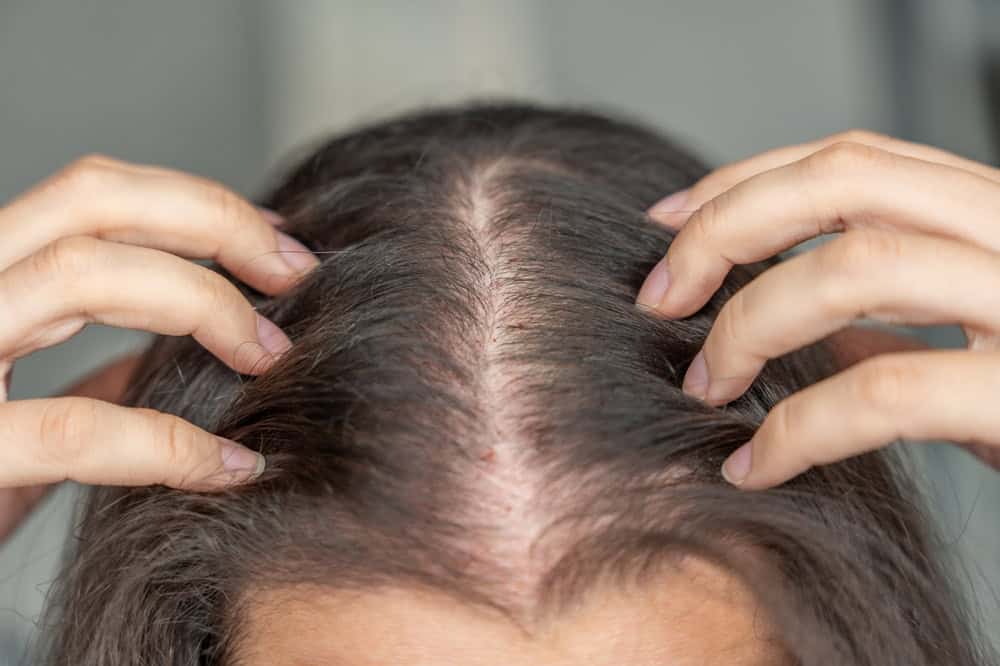
Diagnosis starts with a detailed medical history covering recent illness, surgery, childbirth, medications, dietary habits, and stress levels. A scalp examination and hair-pull test are standard first steps. Trichoscopy, a non-invasive imaging method, helps identify follicle changes. Blood tests for iron, ferritin, thyroid hormones, vitamin D, and zinc may be ordered when a systemic telogen effluvium cause is suspected. Early diagnosis prevents unnecessary worry and guides effective treatment.
Effective telogen effluvium treatment begins with identifying and addressing the root cause. Iron supplementation under medical guidance helps when levels are low, while thyroid imbalances, hormonal fluctuations, and medication side effects each need direct management. Supporting recovery also means eating a balanced diet rich in protein, iron, zinc, and B vitamins, reducing heat and chemical exposure, avoiding extreme diets, and managing stress through quality sleep. For patients whose evaluation reveals a coexisting pattern of hair loss, a combined approach may be necessary. Scalp therapies tailored to each patient’s needs can support regrowth when guided by a qualified team.
Most acute cases begin improving within three to six months after the trigger is resolved. Full density recovery takes longer because hair grows at roughly one centimeter per month. Regrowth appears gradually rather than all at once, so patience is important. Chronic cases may follow a longer timeline and benefit from ongoing specialist monitoring.
Consider professional evaluation if shedding persists beyond a few months, hair density keeps dropping, you notice scalp discomfort or inflammation, you are unsure what triggered the loss, or you suspect pattern hair loss may also be present. Early assessment helps rule out overlapping conditions and points toward the right plan.
Bangkok Hair Clinic offers thorough scalp and hair density evaluation alongside diagnostic testing to distinguish telogen effluvium from pattern hair loss and other conditions. Dr. Jate Jatechayanon and Dr. Jirayu Jatechayanon personally oversee each case, developing individualized plans that target the underlying cause rather than only the visible shedding. Follicular care services are fully available at the clinic for those needing extended hair restoration. Those exploring permanent solutions can learn about DHI hair transplant benefits suited to their specific type of thinning.
If you are experiencing sudden hair shedding or suspect telogen effluvium, book a consultation at Bangkok Hair Clinic for a proper diagnosis and personalized treatment plan.
Reference:
Q: What is telogen effluvium and how is it different from other hair loss?
A: Telogen effluvium is a form of temporary, diffuse hair shedding that occurs when a stressor pushes a large number of follicles into the resting phase simultaneously. Unlike pattern hair loss, which develops gradually at specific areas like the crown or temples, telogen effluvium hair loss causes widespread thinning across the entire scalp. It also differs from alopecia areata, which produces round bald patches driven by autoimmune activity. Proper specialist evaluation is the most reliable way to confirm which type of hair loss is present.
Q: What causes telogen effluvium and what are the most common triggers?
A: The most common telogen effluvium causes include high fever, major surgery, childbirth, rapid weight loss, iron or nutritional deficiency, prolonged emotional stress, thyroid disorders, and medication changes. These events disrupt the normal hair growth cycle and push more follicles than usual into the shedding phase. Shedding typically begins two to three months after the trigger and resolves once the underlying issue is corrected.
Q: Can telogen effluvium happen alongside pattern hair loss?
A: Yes. It is possible for telogen effluvium and pattern hair loss (androgenetic alopecia) to occur at the same time. When both conditions overlap, shedding can seem more severe and confusing. A proper diagnosis from a specialist is important because each condition requires a different treatment approach. At Bangkok Hair Clinic, Dr. Jate Jatechayanon and Dr. Jirayu Jatechayanon evaluate each case to distinguish between the two and recommend the right telogen effluvium treatment or combined plan accordingly.
Q: How long does recovery take after telogen effluvium treatment?
A: Most patients with acute telogen effluvium see improvement within three to six months after the trigger is addressed. However, full density recovery can take nine to twelve months because hair grows at an average rate of about one centimeter per month. Chronic cases may take longer and benefit from ongoing monitoring by a hair loss specialist.


