





 ABOUT US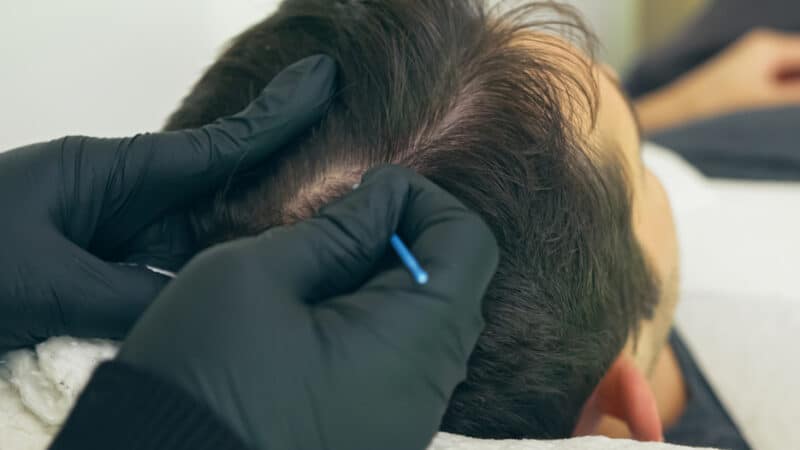
Scalp Micropigmentation vs. Hair Transplant Guide
Wondering what scalp micropigmentation is and how it compares to a hair transplant? Compare SMP vs surgery to find the option that fits your needs.
Wondering what scalp micropigmentation is and how it compares to a hair transplant? Compare SMP vs surgery to find the option that fits your needs.

|
|
|
Author |
|
|
Profile |
A specialist in DHI (Direct Hair Implantation) hair transplant techniques, graduated from the University of Birmingham. He learned advanced hair transplantation techniques under the guidance of Dr. Tayfun Oguzoglu, a globally renowned hair transplant expert. Trusted by numerous patients, Dr. Jirayu has established a reputation for excellence in the field of hair restoration. |
|
Date |
May 15, 2026 |
|
Share |


|
Key Summary
Scalp micropigmentation creates the look of fuller hair using pigment dots, while a hair transplant moves living follicles so real hair grows where it was lost. The right choice depends on your hair-loss pattern, donor supply, hairstyle preferences, and whether you want a visual fix or regrowth. Some patients see better outcomes by combining both approaches under physician guidance.
Have you been noticing more scalp than hair in the mirror lately? Among the many science-backed solutions, scalp micropigmentation (SMP) and hair transplant surgery are two of the most common treatments available. Although they sound alike, their approaches to hair loss treatment differ. Our doctors at Bangkok Hair Clinic explain below how each option functions, their potential results, and how to choose the best one for you.
Scalp micropigmentation is a non-surgical cosmetic procedure that places small dots of pigment into the upper layer of the scalp to mimic the appearance of short hair follicles. The outcome is a visual trick that enhances areas appearing thin or bald, making them look denser. SMP does not promote hair regrowth because no follicles are involved in the process. This treatment is more akin to a specialized cosmetic tattoo, but they are not exactly the same.
To begin, a skilled technician examines the scalp, noting hair color, skin tone, thinning patterns, and any present scars. From there, the hairline shape or density pattern is planned in collaboration with the patient. Pigment matching involves layering shades, not just one, so the dots appear like actual hair follicles in various lighting conditions and after a trim. The treatment takes place over two to four sessions, with a seven- to fourteen-day interval between them. Each session adds depth and lets the technician adjust based on how the previous layer settled into the skin. Normal activities resume for most patients within days, with potential mild redness or scabbing.
SMP works for several distinct concerns, but it is not a universal answer to hair loss. The technique tends to be most useful for:
For women interested in scalp micropigmentation, the treatment is structured differently. With female-pattern hair loss, the part widens, not the hairline, so color is applied between hairs, not on an outline. The goal is to make the scalp appear to recede behind the hair, rather than drawing a new hairline.If you want longer hairstyles with real density, pigment dots alone cannot fill that gap because the dots stay flat to the scalp while real hairs above them remain sparse. For this, a surgical option such as DHI long hair transplant is usually a better fit.
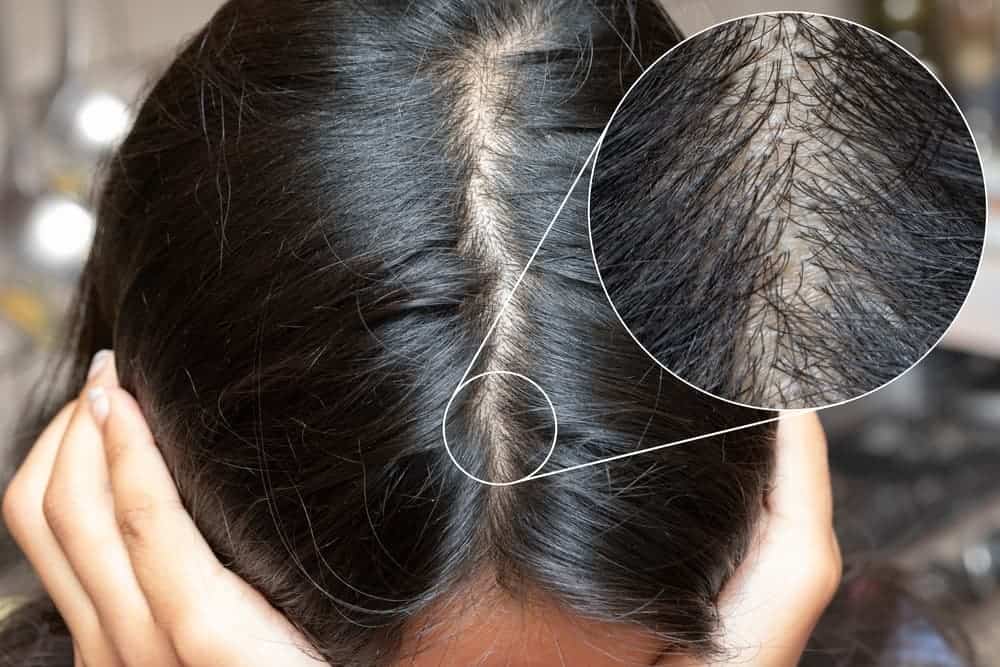
You may be a good candidate for scalp micropigmentation for women if you:
Tip: Pigment placement requires precision, because dots placed too close together or in the wrong tone can read as flat or shadowy under certain lighting. Female SMP is best handled by specialized technicians trained on diffuse-thinning patterns.
A hair transplant is a minor surgical procedure that involves taking healthy hair follicles from a donor site, typically the back or sides of the head where hair is naturally resistant to balding, and transplanting them to areas with less hair or bald spots. Once transplanted, the follicles grow real hair that you can wash, cut, and style indefinitely. The two most common modern techniques are FUE (Follicular Unit Extraction), which removes follicles individually, and DHI (Direct Hair Implantation), which uses an implanter pen to place each graft with controlled angle, depth, and direction.
According to clinical literature from the International Society of Hair Restoration Surgery (ISHRS), between 85 and 95 percent of transplanted follicles take root and continue to grow when the procedure is performed in qualified hands. The graft survival rate is the standard metric for assessing the long-term success of a transplant.
Here’s a quick cheat sheet:
| Category | Scalp Micropigmentation | Hair Transplant |
|---|---|---|
| Goal | Visual fullness via pigment | Restored growing hair |
| Invasiveness | Non-surgical | Minimally-invasive surgery |
| Downtime | 2–3 days of mild redness | 7–14 days of healing; full result over 12 months |
| Result timeline | Immediate visual effect | Initial growth at 3–4 months; full density at 12 months |
| Eligibility | Wide eligibility, including limited donors | Requires a healthy donor area |
| Maintenance | Touch-up every 3–6 years as pigment fades | Transplanted hair is generally long-lasting; native hair loss may continue |
| Reversibility | Pigment fades naturally over the years | Surgical change; not reversible |
The truthful answer, which we provide weekly in consultations, is that the best option hinges on five factors: your hair loss pattern, donor hair availability, desired hairstyle, surgical tolerance, and time frame.
SMP would be better for you when:
Meanwhile, a hair transplant can be considered when:
A hybrid method, combining a transplant for key area regrowth and SMP for enhanced thickness, might yield the best outcomes for some.
Choosing between scalp micropigmentation, a hair transplant, or both is not a decision that should be made from social media images alone. Looking at someone else’s scalp micropigmentation before and after photos, even excellent ones, tells you very little about your scalp, your hair-loss progression curve, or your donor area.
Here’s what we look into when you consult with us:
At Bangkok Hair Clinic, our physicians, Dr. Jate Jatechayanon and Dr. Jirayu Jatechayanon, are certified by the American Board of Hair Restoration Surgery (ABHRS) and are members of ISHRS, AAHRS, and WFI. Because the clinic offers both surgical options (FUE and DHI long hair transplant) and non-surgical programs, our recommendations are matched to your needs.
Not sure whether scalp micropigmentation, a hair transplant, or a combined plan suits you best? Book a consultation with us. We will assess your scalp, donor area, and goals before recommending any treatment. The right plan starts with the right diagnosis.
References:
1. 2025 ISHRS Practice Census Results. (2025, May). International Society of Hair Restoration Surgery. Retrieved May 2026, from https://ishrs.org/wp-content/uploads/2025/05/report-2025-ishrs-practice-census_05-12-25-final.pdf
2. Hair Loss: Diagnosis and Treatment. (n.d.). American Academy of Dermatology. Retrieved May 2026, from https://www.aad.org/public/diseases/hair-loss/treatment/diagnosis-treat
3. Rassman, W. R., Pak, J. P., & Kim, J. (2013). Scalp Micropigmentation: A Useful Treatment for Hair Loss. Facial Plastic Surgery Clinics of North America, 21(3), 497–503. Retrieved May 2026, from https://pubmed.ncbi.nlm.nih.gov/24017991/
4. Hair Loss. (n.d.). National Health Service (NHS). Retrieved May 2026, from https://www.nhs.uk/symptoms/hair-loss/
Q: 1: What is scalp micropigmentation and how does it work?
A: Scalp micropigmentation is a non-surgical cosmetic procedure that places tiny pigment dots into the upper scalp to mimic short hair follicles. The dots reduce the contrast between scalp and surrounding hair, creating the look of higher density. Treatment runs across two to four sessions, and pigment fades gradually, requiring touch-ups every three to six years.
Q: 2: Is scalp micropigmentation for women different from the male version?
A: Yes. Female-pattern hair loss usually shows as widening along the part line rather than a receding hairline, so pigment is layered between existing hairs to push the scalp visually behind the hair. Female SMP requires technicians trained on diffuse-thinning patterns, since dot placement and pigment tone affect how the result reads under different lighting.
Q: 3: Is scalp micropigmentation better than a hair transplant?
A: Neither option is universally better. They solve different problems. SMP creates a visual impression of fuller hair without surgery, suited to shaved or short styles and scar camouflage. A hair transplant restores actual hair growth, suited to patients with healthy donor density who want length and styling options. Some patients combine both for a more complete outcome.
Q: 4. Does scalp micropigmentation regrow hair?
A: No. SMP does not stimulate or regrow hair follicles. It is a cosmetic procedure that places pigment to imitate the look of hair density. If genuine regrowth is the goal, surgical options such as FUE or DHI, or medical therapies such as finasteride, minoxidil, or low-level light therapy, address the underlying hair-loss process rather than the visual appearance alone.
Q: 5. How long does scalp micropigmentation last?
A: Pigment typically fades gradually over three to six years, depending on skin type, sun exposure, immune response, and the pigment used. Most patients return for a touch-up rather than a full re-treatment. Daily scalp sunscreen, avoiding harsh exfoliants, and moisturizing regularly help extend the life of the pigment between sessions.
Q: 6. Can I have scalp micropigmentation and a hair transplant together?
A: Yes, and it is sometimes the most effective plan. A transplant restores growing hair in priority areas such as the hairline, while SMP adds visual density in regions that were not grafted, or camouflages linear donor scars. Combination plans should be designed by a physician familiar with both techniques to sequence and stage them correctly.
Q: 7. How is scalp micropigmentation different from a regular tattoo?
A: SMP uses specialized pigments designed to mimic hair follicles and is applied at a specific depth in the upper scalp. A standard tattoo uses different inks and goes deeper into the dermis, where color shifts over time and edges blur. SMP pigment is intentionally formulated to fade gradually so the look stays consistent with hair-loss progression.
Q: 8. When should I choose a hair transplant over scalp micropigmentation?
A: Choose a hair transplant if you want real, growing hair you can style at any length, have healthy donor density on the back and sides, and are willing to wait twelve months for full results. SMP is better suited to patients with limited donor supply, those who prefer shaved styles, or anyone seeking scar camouflage rather than regrowth.


