





 ABOUT US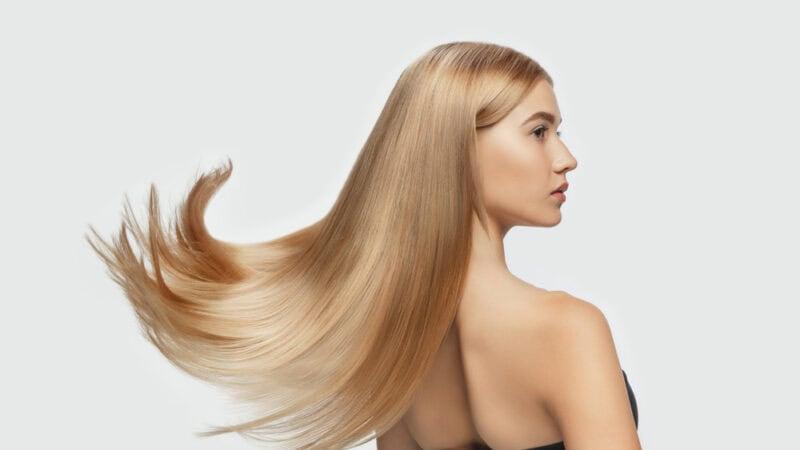
What Makes Natural Blonde Hair So Rare?
Learn why natural blonde hair is rare, how it changes with age, and the difference between natural light blonde hair and platinum blonde hair natural tones
Learn why natural blonde hair is rare, how it changes with age, and the difference between natural light blonde hair and platinum blonde hair natural tones

|
|
|
Author |
|
|
Profile |
A specialist in DHI (Direct Hair Implantation) hair transplant techniques, graduated from the University of Birmingham. He learned advanced hair transplantation techniques under the guidance of Dr. Tayfun Oguzoglu, a globally renowned hair transplant expert. Trusted by numerous patients, Dr. Jirayu has established a reputation for excellence in the field of hair restoration. |
|
Date |
April 24, 2026 |
|
Share |


|
Key takeaway:
Natural blonde hair is one of the rarest hair colors in the world, caused by genetics and lower melanin levels. It can range from natural light blonde hair to very pale shades that resemble platinum blonde hair natural tones, and it may gradually become darker with age, which makes this hair color both distinctive and especially fascinating.
Did you know that natural blonde hair appears in only about 1.8% of the world’s population?
Natural blonde hair is one of the rarest hair colors in the world. Only around 1.8% of the global population is born with it. Even within this rare group, blonde hair can vary widely, ranging from very pale shades to deeper golden tones, and it may gradually change color over time as a person gets older.
The lightest blonde shade, which looks extremely bright and can appear almost white. Many people describe this look as platinum blonde hair natural in appearance, when the tone is very soft, clean, and evenly light.
A cool-toned blonde with subtle gray undertones.
A warm blonde shade with rich golden and honey-like tones.
A blonde tone mixed with soft red or copper hues.
Natural blonde hair develops because the hair contains lower levels of melanin, especially eumelanin, which is the pigment responsible for darker hair shades. People with blonde hair tend to produce less of this dark pigment, which allows lighter tones to appear more prominently.
This trait is most commonly found in people with genetic backgrounds from Northern and Central Europe. Certain gene variations are linked to lower melanin production, which is why natural blonde hair is seen more often in those populations.
Many people notice that their hair is lighter during childhood and gradually becomes darker as they grow older. The same is true for people born with natural blonde hair. Hair that looked very light in childhood may deepen over time and shift into darker blonde, light brown, brunette, or in some cases even darker shades.
This is one reason people often ask how to keep natural blonde hair from going dark as you age. In many cases, this shift is a normal genetic process. Hair color changes naturally as melanin production changes over time, which means that even natural light blonde hair can become deeper and less bright with age.
Even though blonde hair is naturally rare, it remains highly popular across many cultures. Many people choose to dye their hair blonde for a brighter, more striking look. Natural blonde hair is most commonly seen in Northern European countries such as Norway, Sweden, Denmark, and Finland, although blonde individuals can still be found in other parts of the world as well.
What makes this hair color especially unique is that it comes from a very specific combination of genetic traits and is only naturally common in certain regions. While blonde hair continues to be admired and widely imitated in beauty and fashion, truly natural blonde hair remains uncommon. That rarity is exactly what makes it so distinctive and appealing on a global level.
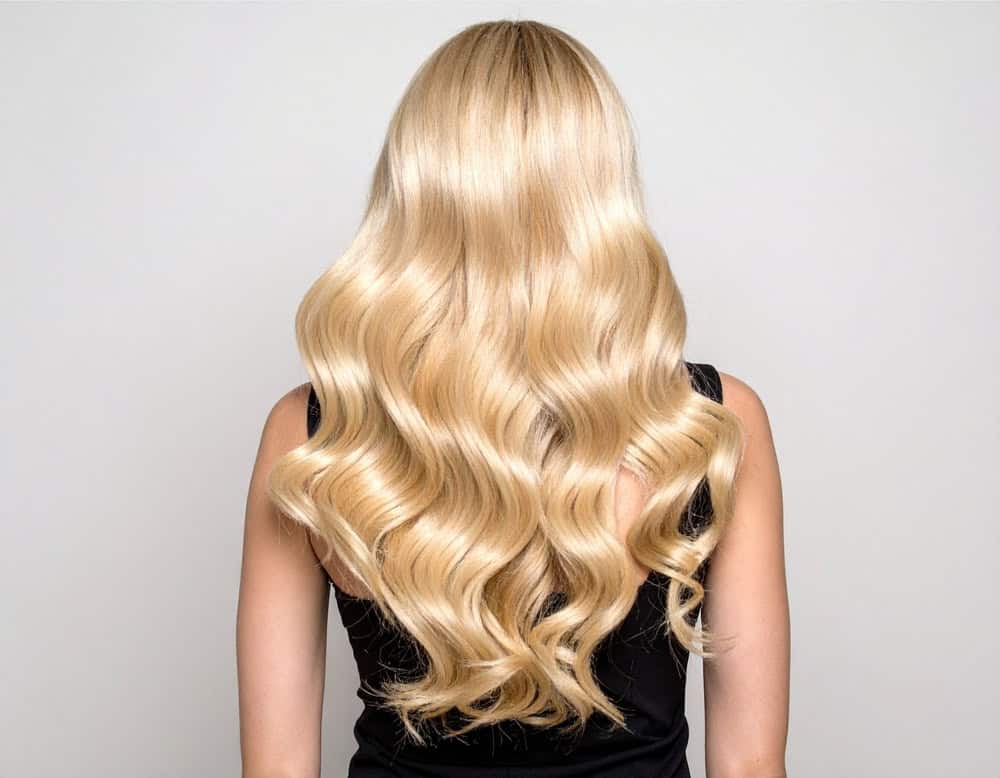
Many people are curious about the difference between natural light blonde and platinum blonde hair. Natural light blonde hair usually has a softer, more dimensional tone. It often includes hints of gold, beige, or neutral warmth, which makes it look effortless and naturally sunlit.
Platinum blonde, by contrast, is much lighter and cooler. It appears almost white and usually looks more dramatic and high-maintenance. When people search for platinum blonde hair naturally, they are often referring to a very pale blonde look, but true naturally occurring platinum tones are extremely rare.
At Bangkok Hair Clinic, we offer permanent hair restoration with both FUE and DHI Micrograft techniques starting at 79,000 THB. Every treatment plan is tailored to the individual by experienced physicians trained in the United Kingdom, supported by a skilled clinical team with direct hands-on experience. We focus on personalized results, natural hairline design, and specialized techniques that help us stand out from standard approaches. If you are considering advanced hair restoration or looking for a clinic specializing in DHI hair transplant in Bangkok, our medical team is here to help you achieve natural looking results with confidence.
Q: How to keep natural blonde hair from going dark as you age?
A: In many cases, darkening over time is a natural genetic process. While you cannot completely stop it, you can help natural blonde hair look brighter by protecting it from sun exposure, reducing heat damage, using color-safe hair products, and maintaining overall hair health.
Q: What is the difference between natural light blonde and platinum blonde hair?
A: Natural light blonde hair usually looks softer and more dimensional, often with warm, beige, or neutral tones. Platinum blonde is much lighter, cooler, and closer to white, which gives it a more dramatic appearance.
Q: Is natural blonde hair really that rare?
A: Yes. Natural blonde hair is very rare and is estimated to occur in only about 1.8% of the world’s population.
Q: Can children with blonde hair develop darker hair later in life?
A: Yes. Many children who are born with blonde hair experience gradual darkening as they grow older. Their hair may become dark blonde, light brown, or brunette over time.
Q: Is platinum blonde hair natural?
A: It can occur naturally, but it is extremely rare. When people search for platinum blonde hair naturally, they are usually referring to a very pale blonde shade that appears almost white, which is one of the rarest natural hair colors.
Q: Where is natural blonde hair most commonly found?
A: Natural blonde hair is most often associated with people from Northern and Central Europe, especially countries such as Sweden, Norway, Denmark, and Finland.
Q: Why is natural blonde hair considered special?
A: It is considered special because it is genetically rare, visually distinctive, and not commonly found across the global population.


